Summary:
You’ve got a pile of debris that won’t fit in your weekly trash pickup. Maybe it’s a bathroom remodel, a garage cleanout, or construction waste from tearing out old flooring. Whatever the project, you need a way to get rid of it that doesn’t eat up your weekend or your budget.
The hardware store sells those collapsible dumpster bags for thirty bucks. Sounds easy enough. But before you toss one in your cart, you should know what that decision actually costs you—and what it won’t do for a project that’s bigger than a few broken chairs.
Here’s what really happens when you compare waste disposal options, and why roll-off rentals handle real projects better than bags ever will.
Dumpster Bags vs Rental: What You're Actually Comparing
A dumpster bag is exactly what it sounds like. It’s a heavy-duty canvas bag you buy at a home improvement store, fill up on your own timeline, then call the manufacturer to pick it up. The bag itself runs about thirty dollars, which feels like a steal until you read the fine print.
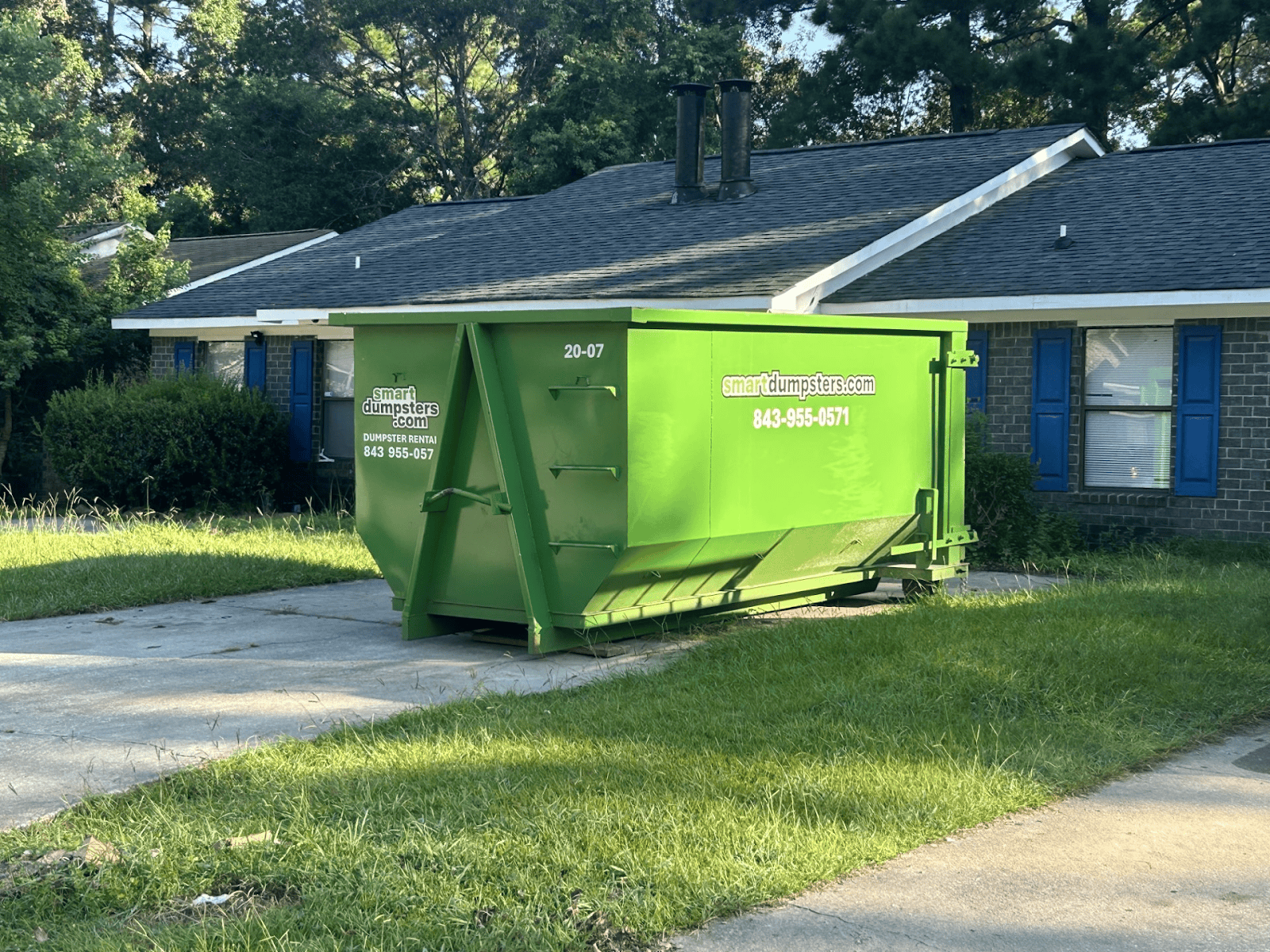
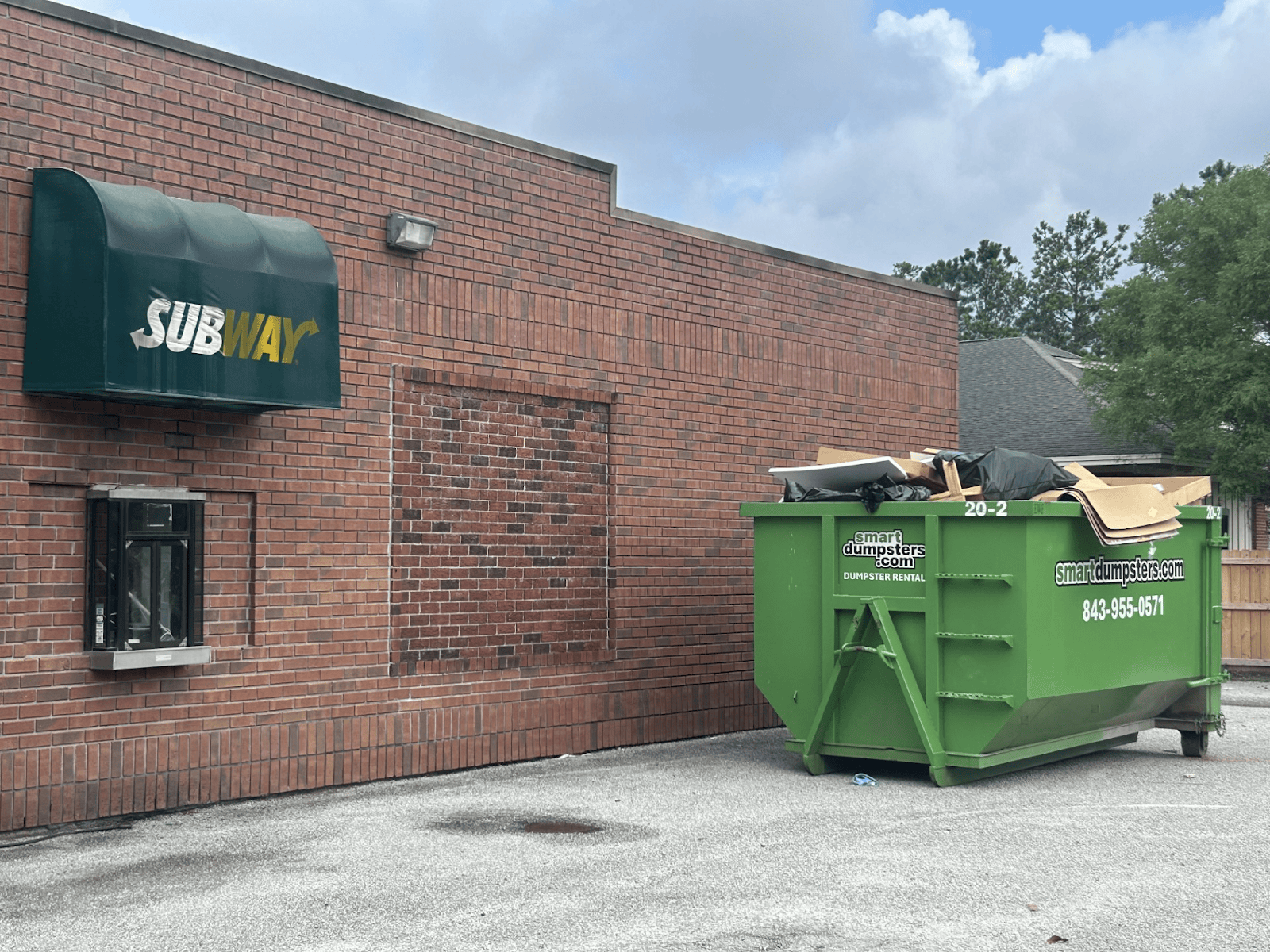
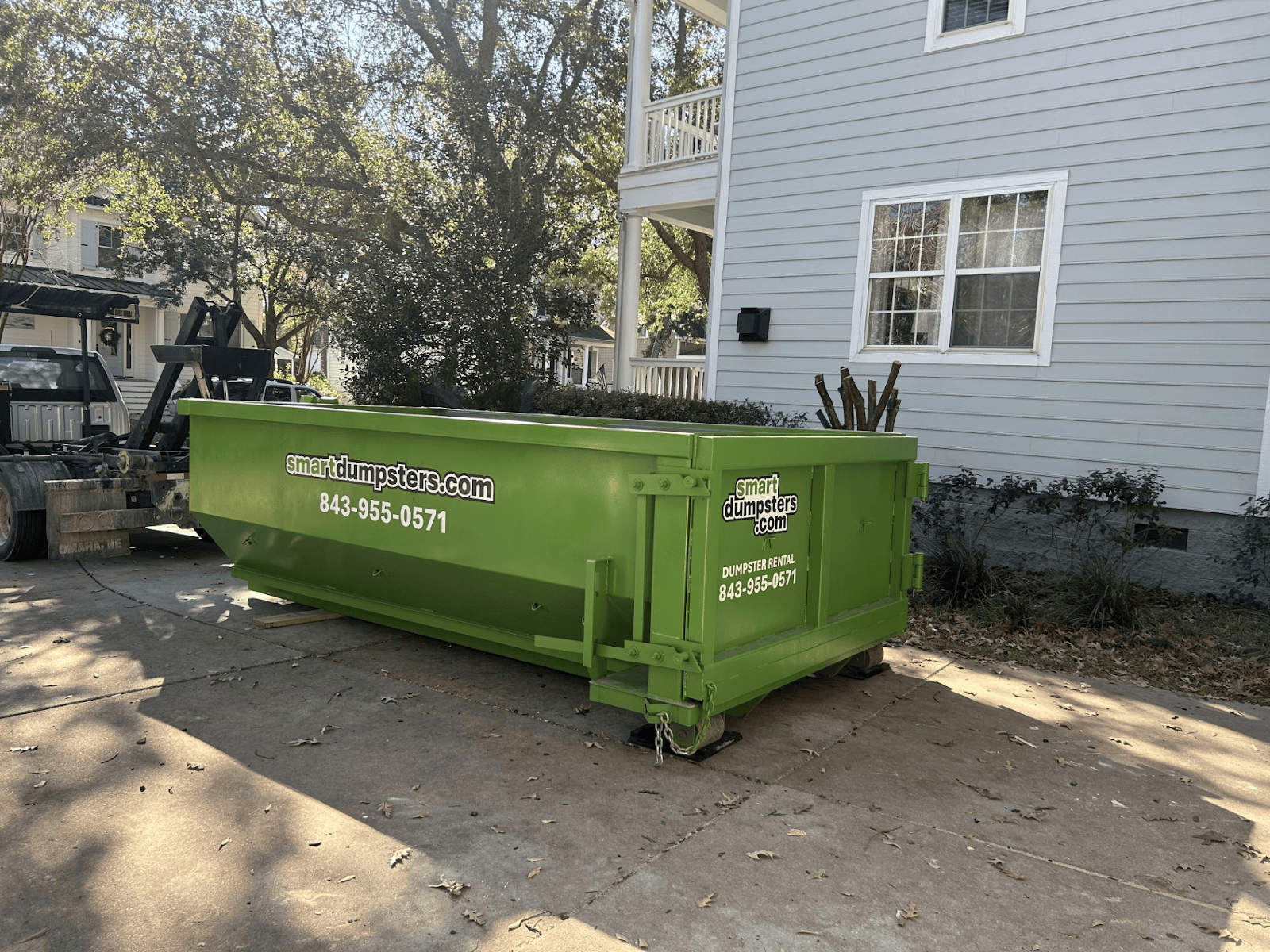
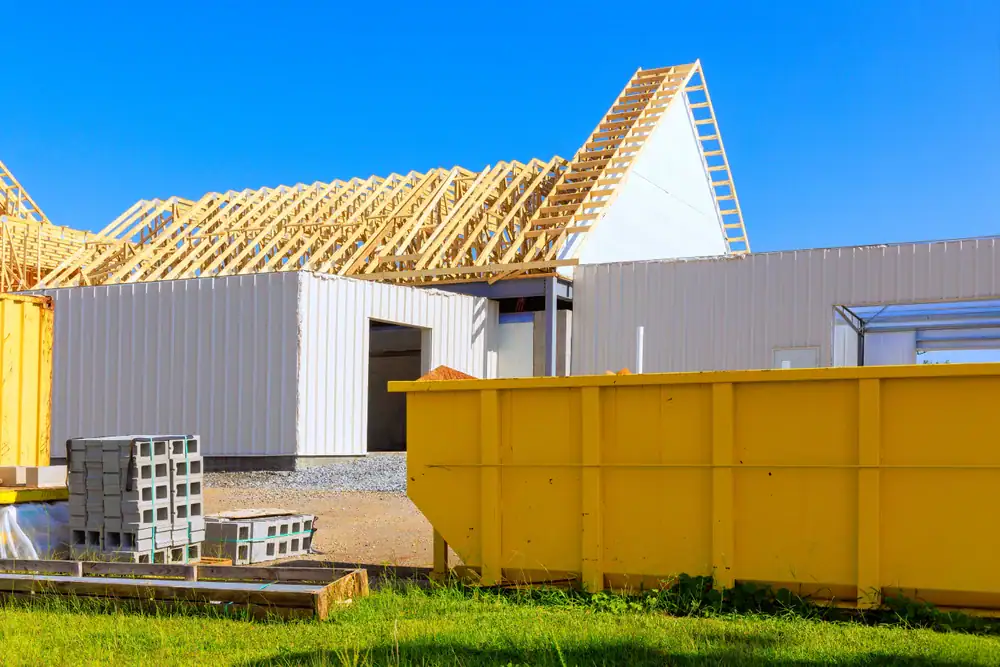
Roll-off dumpsters are the metal containers you see at construction sites. We deliver them to your property, you fill them as you work, and we haul them away when you’re done. Pricing typically includes delivery, the rental period, pickup, and disposal up to a set weight limit.
The difference isn’t just the material. It’s capacity, placement, cost structure, and whether the method actually scales to match what your project throws at you.
Capacity and Size Limitations for Small Project Waste Removal
Dumpster bags hold three cubic yards of material. That’s roughly the size of four and a half pickup truck beds, or about thirty 33-gallon trash bags. The weight limit is 3,300 pounds total, but if you’re tossing heavy debris like concrete or dirt, you’re capped at one cubic yard to stay under the limit.
If you’re clearing out a single closet or tossing a few boxes of junk, that might work. But most home projects generate more waste than people expect. A bathroom remodel produces broken tile, drywall, old fixtures, packaging, and demo debris that fills space fast. A garage cleanout includes bulky items like old furniture, shelving units, and years of accumulated stuff that doesn’t compress.
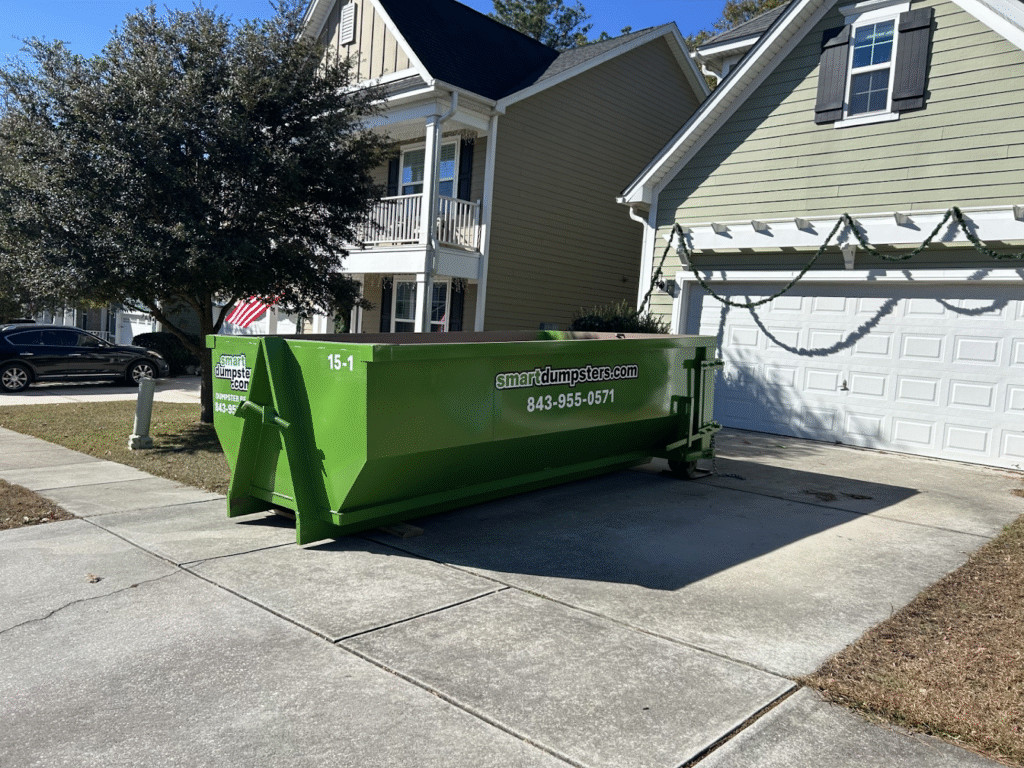
The smallest roll-off dumpster you can rent holds ten cubic yards. That’s more than three times the capacity of a bag, and it comes with a higher weight limit that actually matches what you’re tossing. A 10-yard dumpster can handle one to two tons of debris without issue, and if you go over, you’re charged a predictable overage fee instead of being stuck with a bag that won’t close.
Here’s where it gets expensive with bags. If your project outgrows one bag, you’re buying a second one for another thirty dollars, then paying separate pickup fees for each. Two bags cost you around $400 to $450 total for six cubic yards of capacity. A 10-yard roll-off dumpster in Charleston typically runs $250 to $450 and gives you more space, better weight tolerance, and one simple pickup.
Bags also lose their shape if you fill them with oddly shaped materials. Furniture, lumber, and large items don’t pack neatly into a canvas container. You end up with wasted space and a bag that’s harder to move or load properly. Roll-off dumpsters have rigid walls and walk-in doors, so you can toss items in without worrying about the container collapsing or tearing.
If you’re managing a multi-room renovation, a roof replacement, or any project that’s going to run longer than a weekend, bags aren’t built for that kind of volume. You’ll either need multiple bags or you’ll be making trips to the landfill yourself, which defeats the point of renting a disposal solution in the first place.
Real Cost Breakdown: Pickup Fees and Hidden Charges
The thirty-dollar price tag on a dumpster bag is just the beginning. Once you fill it, you have to schedule a pickup with the manufacturer, and that’s where the real cost shows up. Pickup fees typically range from $100 to $300 depending on your location, bringing your total to $150 to $350 for a single three-yard bag.
Do the math per cubic yard. You’re paying $50 to $117 per yard of debris. Compare that to a 10-yard roll-off dumpster that costs $250 to $450 total, which works out to $25 to $45 per cubic yard. You’re getting more than double the value with a traditional rental.
If you need more than one bag, the costs multiply fast. Each bag requires its own pickup fee, and some areas charge extra if you’re scheduling multiple collections at once. Two bags can easily run $400 or more, and you’re still working with only six cubic yards of total capacity.
Roll-off dumpsters bundle everything into one flat rate. Delivery, pickup, your rental period, and disposal fees are included in the quote you get upfront. You’re not getting nickel-and-dimed for fuel surcharges, environmental fees, or mileage charges when the truck shows up. If you need to keep the dumpster longer than your original rental period, extensions are available at a daily rate that’s spelled out before you book.
Weight limits work differently too. Bags cap out at 3,300 pounds total, and if you exceed that, the pickup crew can refuse to take it or charge you extra fees that aren’t clearly posted. With a roll-off dumpster, you know your weight limit upfront, and overage charges are predictable. Most Charleston rentals include two tons of disposal, and anything beyond that is charged at a set rate per ton.
The other hidden cost with bags is time. Pickup windows are vague. You might get a five-to-seven-day collection window, but the exact day isn’t guaranteed unless you pay extra for a guaranteed day service. If you’re on a tight project timeline, that uncertainty can stall your work. Roll-off rentals let you schedule exact delivery and pickup dates, so you’re not waiting around or scrambling to adjust your plans.
Bags also come with placement restrictions that can cost you more hassle. They need to be within eighteen feet of the street for the crane truck to reach them. If your driveway doesn’t allow that, or if you’re working in a backyard or tight space, you’re out of luck. Roll-off dumpsters can be placed wherever there’s access for the truck, and we work with you to find the best spot.
Bagster vs Dumpster: Convenience and Pickup Reliability
Convenience sounds like a selling point for bags. You buy it, fill it on your own schedule, and call when you’re ready. But that flexibility disappears the moment you need it picked up.
Bagster pickups are handled by the manufacturer, and they’re only available in certain areas. If you live outside their service zone, you’re stuck with a full bag and no way to get rid of it. Even if pickup is available, you’re looking at a three-to-five-day window with no guarantee of which day the truck will show up.
Roll-off dumpsters come with scheduled delivery and pickup. You choose the dates that work for your project, and we confirm the timeline before the container ever leaves our yard. If you finish early, you call for pickup and we come get it. If you need more time, you extend the rental. You’re in control of the schedule, not waiting on a vague collection window.
Placement, Accessibility, and Property Protection
Bags require specific placement to work. They need to be within eighteen feet of the street, with clear overhead access for the crane truck. No tree branches, power lines, or structures can be in the way. If your project is happening in a backyard, a side yard, or anywhere that doesn’t meet those requirements, a bag won’t work.
Once you fill a bag, you can’t move it. It’s too heavy to drag, and moving it risks tearing the material. If you placed it in the wrong spot or if the pickup crew can’t access it, you’re dealing with a problem that has no easy fix.
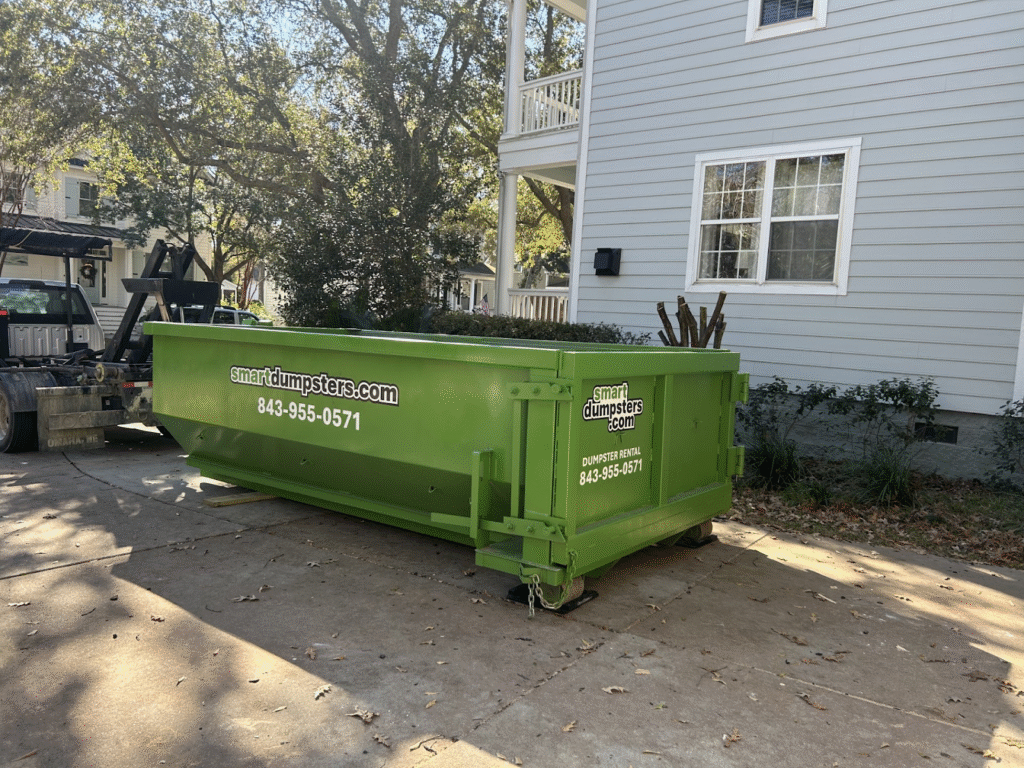
Roll-off dumpsters are delivered by trucks designed to navigate residential streets and driveways. We place the container where you need it, and we include driveway protection boards to prevent damage to your concrete or asphalt. You’re not risking cracks or gouges because we’ve done this thousands of times and know how to protect your property.
Bags don’t come with any kind of property protection. You’re setting a heavy canvas container directly on your driveway or lawn, and if it shifts or leaks, you’re dealing with the cleanup yourself. Roll-off dumpsters are built to contain debris securely, and we handle placement, removal, and any adjustments needed during the rental period.
Accessibility matters when you’re loading debris. Bags sit low to the ground, which sounds convenient until you’re trying to toss in bulky items or heavy materials. You’re bending over, lifting awkwardly, and working around the collapsing sides of the bag. Roll-off dumpsters have walk-in doors that let you carry items in instead of heaving them over the side. That makes a difference when you’re dealing with furniture, appliances, or construction materials that weigh more than you want to lift overhead.
If you’re managing a project with multiple people or a contractor crew, a roll-off dumpster keeps the site organized. Everyone knows where the debris goes, and the container stays in place until you’re done. Bags can shift, tear, or overflow if they’re not managed carefully, and that creates safety hazards and cleanup headaches.
Project Suitability: When Bags Work and When They Don't
Dumpster bags can work for very small, lightweight projects. If you’re clearing out a single closet, tossing a few bags of old clothes, or getting rid of minor yard debris, a bag might be enough. The key word is might. Most people underestimate how much space their junk actually takes up, and they end up needing a second bag or making trips to the dump anyway.
Bags don’t handle construction debris well. Drywall, lumber, tile, and roofing materials are bulky, heavy, and often sharp. Sharp edges can tear the canvas, and heavy materials push you past the weight limit fast. Some bag manufacturers don’t even accept certain materials like yard waste, appliances, or electronics, which means you’re stuck sorting and finding other disposal methods for those items.
Roll-off dumpsters are built for real projects. Bathroom remodels, kitchen renovations, garage cleanouts, roofing jobs, and landscaping overhauls all generate debris that exceeds what a bag can handle. A 10-yard dumpster is the go-to size for single-room renovations. A 15-yard works for medium projects like flooring replacement or multi-room cleanouts. A 20-yard handles full-home cleanouts, roof replacements, and larger remodeling jobs.
If you’re a contractor managing multiple projects or a homeowner tackling a whole-house renovation, roll-off rentals scale with your needs. You can swap out containers as you fill them, extend your rental period without hassle, and work with a local company that understands your timeline and budget.
Bags are single-use. Once they’re picked up, they’re thrown away with the debris inside. That’s not great for the environment, and it’s not a sustainable solution if you’re managing ongoing projects. Roll-off dumpsters are reusable, and we prioritize recycling and responsible disposal practices. You’re not just tossing everything into a landfill—you’re working with a service that sorts materials and diverts recyclables whenever possible.
The bottom line is this: if your project involves more than a few boxes of junk, if you’re dealing with construction materials, or if you need reliable scheduling and predictable costs, a roll-off dumpster is the better choice. Bags might look convenient on the shelf, but they don’t deliver the capacity, flexibility, or value you need for anything beyond the smallest cleanouts.
Choosing the Right Waste Disposal Method for Your Charleston Project
Waste disposal options come down to what your project actually demands. Dumpster bags work for very small, lightweight jobs where you’re tossing minimal debris and don’t need a guaranteed pickup date. For everything else—renovations, cleanouts, construction projects, or anything that’s going to generate real volume—roll-off dumpsters deliver better capacity, clearer pricing, and the kind of reliable service that keeps your timeline on track.
You’re not just paying for a container. You’re paying for delivery, placement, pickup, and the peace of mind that comes with knowing exactly what you’re spending and when the job will be done. Roll-off rentals eliminate the guesswork, the hidden fees, and the scheduling headaches that come with bags.
If you’re in Charleston County, SC and you need a straightforward waste solution that actually works, we handle the entire process from online booking to final pickup. Same-day delivery, flat-rate pricing, and local service that knows the area—because when you’re dealing with debris from a project in Mount Pleasant, West Ashley, or North Charleston, you want someone who understands the neighborhoods, the regulations, and what it takes to keep your project moving.