Summary:
You’ve booked your dumpster. The cleanout or renovation is underway. Then you’re standing there with a half-empty paint can, old car battery, or broken laptop wondering: can this go in?
The short answer is usually no. Hazardous waste removal requires special handling that standard dumpster rentals can’t provide. Toss the wrong item in your bin and you’re looking at failed pickups, prohibited item fees that can hit $50 to $200 per violation, and potential environmental harm. The good news is that Charleston County offers multiple free disposal options once you know what qualifies as hazardous and where to take it. Let’s walk through what’s actually prohibited, why these rules exist, and how to handle these materials the right way.
Why Certain Materials Are Prohibited in Dumpsters
We don’t create prohibited item lists to make your life harder. These restrictions exist because certain materials pose genuine risks to people, equipment, and the environment.
Hazardous waste can contaminate groundwater that entire communities rely on for drinking water. It can cause fires in collection trucks or at landfills. It can injure the workers who handle your waste every single day. When you rent a dumpster in Charleston County, you’re part of a waste management system designed to protect public health and natural resources like our coastal waterways.
Federal EPA regulations, South Carolina state law, and local Charleston County ordinances all govern what can and cannot enter standard landfills. As a dumpster rental company, we must comply with these rules, and so do you as the renter. Understanding why these restrictions matter helps you make better decisions about disposal and protects you from unnecessary costs and complications.
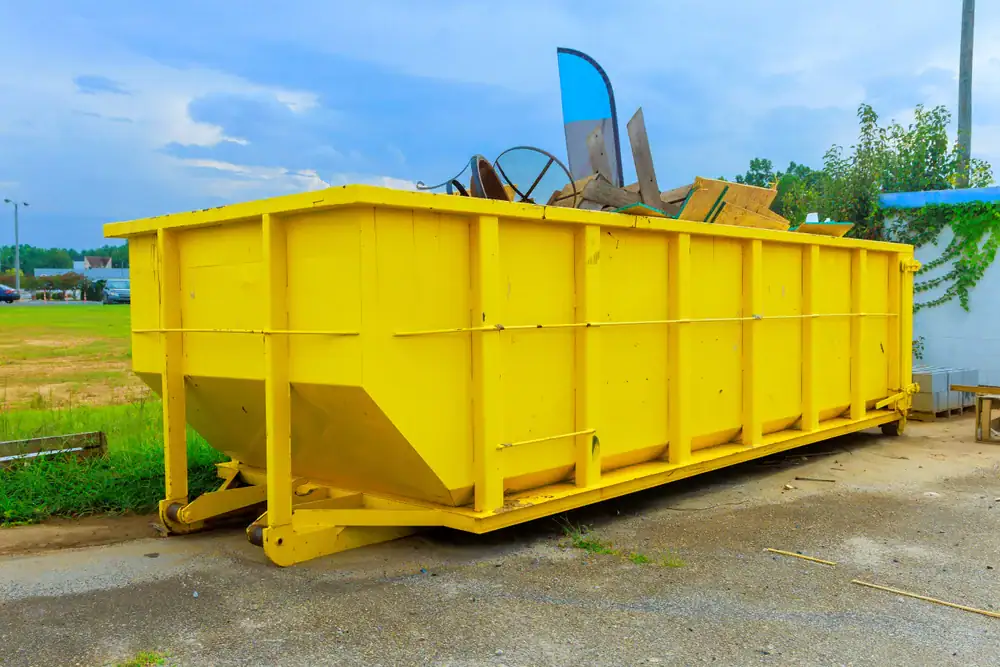
What Happens When Prohibited Items End Up in Your Dumpster
Let’s say you didn’t know motor oil was prohibited and tossed a few quarts in your dumpster. Here’s what happens next.
When your dumpster arrives at the landfill, workers inspect the load. If they spot prohibited items, the entire dumpster may be rejected. We have to bring it back to your property, and you’ll likely face a failed trip fee on top of needing to remove the prohibited items yourself before we can attempt pickup again. Your project timeline just got delayed.
Even if the prohibited item makes it past initial inspection, landfills often discover violations during processing. At that point, you receive a prohibited item fee. These charges typically range from $50 to over $200 per item, depending on what it is and how much special handling it requires. The landfill passes these costs to us, and we pass them to you.
Beyond fees, there are real consequences. Batteries can cause fires in compacted waste. Liquid paint can leak and contaminate soil. Electronics contain toxic metals that seep into groundwater. Refrigerants damage the ozone layer. These aren’t theoretical risks. They’re documented problems that waste management regulations are designed to prevent.
The smarter approach is knowing what’s prohibited before you rent, asking questions when you’re unsure, and using the proper disposal channels that Charleston County provides. Most prohibited items have free or low-cost disposal options available locally. You just need to know where they are.
Common Hazardous Materials Banned from Dumpsters
Walk through your garage, basement, or utility room and you’ll find multiple items that cannot go in a dumpster rental. Many of these seem harmless until you understand what’s actually in them.
**Paints, solvents, and chemicals** top the prohibited list. Wet paint of any kind—latex, oil-based, stains, varnishes—cannot go in dumpsters. Paint thinners, solvents, and strippers are also banned. These liquids can leak during transport, contaminate other waste, and create environmental hazards at landfills. Even aerosol paint cans with product still inside are restricted because they can explode under pressure.
**Batteries** are universally prohibited in most locations. Car batteries contain lead and acid. Rechargeable lithium batteries found in power tools, laptops, and phones can catch fire when damaged or compressed. Even standard alkaline batteries are restricted in some areas due to heavy metal content. The compressed environment of a landfill creates the perfect conditions for battery fires and toxic chemical release.
**Automotive fluids** like motor oil, antifreeze, gasoline, diesel, and transmission fluid are strictly banned. These petroleum products are highly flammable and toxic. A single quart of motor oil can contaminate up to 250,000 gallons of drinking water. Propane tanks, even when empty, are prohibited because residual gas creates explosion risks.
**Household chemicals** including pesticides, herbicides, fertilizers, pool chemicals, and cleaning products with hazardous warning labels cannot go in dumpsters. Check the label. If it says “toxic,” “flammable,” “corrosive,” or “reactive,” it needs special disposal.
**Asbestos-containing materials** require licensed professional removal and disposal at specially permitted landfills. If your Charleston home was built before 1980, materials like old insulation, floor tiles, roofing, or popcorn ceilings may contain asbestos. Disturbing these materials without proper precautions creates serious health risks. Never attempt DIY asbestos removal or disposal.
**Medical waste** including needles, syringes, contaminated materials, and prescription medications must follow specific disposal protocols. These items can injure waste handlers and pose public health risks. Charleston County provides guidance on safe medical waste disposal separate from standard trash systems.
**Adhesives and resins** like glue, epoxy, and caulk can rupture in dumpsters and bind waste to container walls. While less obviously hazardous than chemicals, they create operational problems that we prohibit.
The common thread is that all these materials require handling beyond what standard waste collection can safely provide. They need specialized facilities, trained personnel, and proper environmental controls.
E Waste Management: Electronics and Appliances
Your old TV, laptop, phone, and kitchen appliances might seem like ordinary junk, but they’re classified as electronic waste that requires special recycling. E waste management has become a critical environmental issue as technology cycles faster and more devices end up in landfills.
Electronics contain valuable materials like copper, gold, and silver. They also contain toxic substances including lead, mercury, cadmium, and other heavy metals. When these components break down in landfills, those toxins leach into soil and groundwater. Recycling electronics recovers the valuable materials and keeps the dangerous ones out of the environment.
Charleston County recognizes this and provides multiple options for residents to recycle electronics responsibly. Understanding what qualifies as e-waste and where to take it makes proper disposal straightforward.
What Electronics Cannot Go in Your Dumpster
Most items that plug into a wall outlet or run on rechargeable batteries are considered electronic waste in Charleston County. The prohibited list is extensive.
**Computers and accessories** including desktop towers, laptops, monitors, keyboards, mice, printers, scanners, and external hard drives all require e-waste recycling. These devices contain circuit boards with toxic metals and plastics that need specialized processing.
**Televisions and display screens** of any type—old CRT tube TVs, flat screens, computer monitors—are banned from dumpsters. The screens contain lead and other hazardous materials. Some facilities charge per-item fees for TV disposal due to the extra processing required.
**Mobile devices and tablets** including cell phones, smartphones, tablets, e-readers, and their chargers should be recycled. The lithium batteries alone make these items hazardous in compressed waste environments.
**Home electronics** like stereos, speakers, DVD players, gaming consoles, cameras, and small appliances with digital components all fall under e-waste rules. Even items like coffee makers, blenders with digital displays, and power tools with rechargeable batteries should be recycled rather than trashed.
**Large appliances** have mixed rules depending on what they contain. Refrigerators, freezers, air conditioners, and dehumidifiers are prohibited in dumpsters because they contain refrigerants that must be professionally removed before disposal. These chemicals damage the ozone layer and require certified technician handling. Appliances like stoves, dishwashers, washing machines, and dryers may be acceptable in some dumpster rentals, but you should confirm with us first. Many companies charge additional fees for appliance disposal.
Charleston County accepts electronics for recycling at eight convenience centers throughout the area. This includes items like telephones, cell phones, computer accessories, stereos, battery chargers, radios, satellite equipment, and more. The service is free for county residents. You simply drop off your items during operating hours, typically Monday through Saturday from 7:30 AM to 6:00 PM.
Before recycling computers or phones, remember to delete your personal information. Back up any data you need, then perform a factory reset or use data-wiping software. Several professional e-waste recyclers in the Charleston area also offer secure data destruction services if you need that assurance.
Charleston County E-Waste Recycling Locations
Charleston County makes electronics recycling accessible through multiple drop-off locations. You don’t need to figure out private recycling companies or pay fees. The county provides this service free to residents.
The **Bees Ferry Landfill and Convenience Center** at 1344 Bees Ferry Road in Charleston serves as a major drop-off point. This facility accepts the full range of household electronics and also handles used motor oil recycling. Hours are Monday through Friday 8:00 AM to 4:00 PM and Saturday 8:00 AM to 3:00 PM.
**Eight additional convenience centers** throughout Charleston County accept electronics recycling. These staffed facilities operate Monday through Saturday from 7:30 AM to 6:00 PM. The Signal Point Road location has different hours—Tuesday through Saturday 10:00 AM to 6:00 PM.
When you arrive at a convenience center, staff will direct you where to place electronic items. Don’t put electronics in your regular recycling cart at home. Curbside recycling programs cannot accept e-waste due to the specialized handling required.
The county’s Environmental Management Department also provides guidance on recycling other specific items. Compact fluorescent light bulbs (CFLs) contain small amounts of mercury and can be recycled at convenience centers. Regular incandescent bulbs can go in household trash, but CFLs need special handling to prevent mercury release.
Private e-waste recycling companies also operate in the Charleston area if you have commercial quantities or prefer pickup service. Companies like Meridian Metals Management, All Green Electronics Recycling, and STS Electronic Recycling offer business services including pickup, data destruction, and IT asset disposition. These are particularly useful for offices upgrading equipment or businesses with large volumes of electronics.
For individual residents doing home cleanouts or renovations, the county convenience centers provide the easiest and most cost-effective option. Load your old electronics in your vehicle, drive to the nearest center, and drop them off. It takes minutes and ensures proper recycling.
Proper Hazardous Waste Disposal in Charleston County
Knowing what can’t go in your dumpster protects you from fees, delays, and environmental violations. It’s not complicated once you understand the basics: liquids, chemicals, batteries, electronics, and anything labeled hazardous needs special handling.
Charleston County provides free disposal options for nearly every prohibited item through nine convenience centers. Paint, household chemicals, batteries, motor oil, and electronics all have designated drop-off locations. The Bees Ferry facility even accepts old gasoline. These resources exist specifically to help residents dispose of hazardous materials responsibly.
When you rent from us, you’re working with a local team that understands Charleston County regulations and can guide you through what’s acceptable. Our transparent pricing means no surprise fees if you follow the guidelines. Built-in driveway protection and proactive communication keep your project moving smoothly. If you’re planning a cleanout, renovation, or demolition project and want straightforward answers about what you can and can’t dispose of, we provide that clarity from the start.