Summary:
You’ve got your contractor lined up, your design finalized, and your budget set. Then someone asks where all the demo debris is going. That old vanity, the ripped-out tile, the cabinets you’ve been meaning to replace for years—it all has to go somewhere, and it adds up faster than you think. A home renovation dumpster rental isn’t just about having a place to throw stuff. It’s about keeping your project moving, your property protected, and your timeline intact. Get the sizing wrong and you’re either paying for space you don’t use or scrambling for a second container mid-project. Miss a permit requirement and you’re looking at delays or fines. The good news is that a little planning upfront makes the whole process straightforward. Here’s what you actually need to know about matching your dumpster to your renovation.
Choosing the Right Dumpster Size for Your Renovation
Dumpster sizes aren’t one-size-fits-all, and guessing costs you money either way. Too small means you’re calling for a second pickup or leaving debris piled up. Too large means you’re paying for capacity you’ll never fill.
For Charleston County renovations, most homeowners land somewhere between a 10-yard and 20-yard container. A 10-yard dumpster handles a single bathroom remodel or small kitchen update—think cabinets, countertops, tile, and the drywall that comes out during demo. A 15-yard steps up for larger single-room projects or when you’re tackling multiple smaller spaces at once. The 20-yard is the workhorse for full kitchen renovations, multi-room projects, or whole-home cleanouts where you’re clearing years of accumulated stuff alongside the actual construction debris.
Each size comes with a weight limit, typically around 2 tons for residential containers. That matters more than you’d think because construction materials are heavy. A pile of old tile and concrete backer board weighs more than the same volume of drywall and wood. If you’re dealing with heavy demo materials, talk through your project scope with us so we can steer you toward the right combination of size and weight capacity.
What Actually Fits in Each Dumpster Size
A 10-yard dumpster holds roughly three pickup truck loads. That’s enough for a standard bathroom tear-out including the tub, vanity, toilet, tile, and drywall. You can also use it for a small kitchen update where you’re replacing cabinets and countertops but not touching the floor or doing major structural work. If you’re clearing out a garage, attic, or single room of furniture and junk, a 10-yard handles it without leaving you paying for unused space.
The 15-yard dumpster gives you about four to five pickup truck loads of capacity. This size works well for medium kitchen remodels where you’re gutting cabinets, counters, appliances, and flooring. It’s also the right choice when you’re renovating a larger bathroom or doing two smaller rooms at the same time. Flooring projects across multiple rooms often fit here too, especially if you’re pulling up old carpet, padding, and tack strips from several areas of your home.
A 20-yard dumpster accommodates six to eight pickup truck loads. This is your go-to for full kitchen renovations that include everything—cabinets, appliances, countertops, flooring, drywall, and even some structural changes. It handles multi-room renovation projects where you’re working on a kitchen plus a bathroom, or when you’re doing a whole-home flooring replacement. Estate cleanouts, major decluttering projects, and renovations that combine construction debris with years of accumulated household items all fit comfortably in a 20-yard container. It’s also the most common size nationally because it fits in most residential driveways without requiring street placement and a permit.
The key is being honest about your project scope. If you’re not sure, describe what you’re actually removing—not just “kitchen remodel” but “removing 12 cabinets, laminate countertops, vinyl flooring from a 10×12 space, plus the old dishwasher and range.” That level of detail helps us match you to the right size instead of guessing.
Dumpster Sizes and Prices in Charleston County
Pricing for home renovation dumpster rentals in Charleston County typically runs between $395 and $650 depending on the size you need and how long you keep it. A 10-yard dumpster for a short-term rental sits on the lower end of that range, while a 20-yard container for a longer period costs more. The price should include delivery, pickup, your rental period, disposal at the landfill, and a set weight limit.
We offer three sizes—10, 15, and 20 yards—with flat-rate pricing that includes 2 tons of disposal. That means you know exactly what you’re paying upfront, and the only variables are extra weight beyond the included tonnage or additional days beyond your rental period. Extra weight runs $80 per ton, and additional days cost $8 per day. Those are standard industry charges, not hidden fees, and they’re spelled out clearly before you book.
The reason flat-rate pricing matters is that some companies separate out delivery fees, pickup fees, fuel surcharges, and disposal costs. You see one number when you call, then a different total on your invoice. With all-in pricing, the quote you get is what you pay unless you go over on weight or time. That makes budgeting straightforward, especially when you’re already managing costs for contractors, materials, and all the other moving parts of a renovation.
Weight limits exist because landfills charge by the ton, and the truck hauling your dumpster has legal load limits. If you’re disposing of heavy materials like tile, concrete, brick, or dirt, you might hit the weight limit before you fill the container by volume. In those cases, a smaller dumpster with a clear understanding of the weight situation often makes more sense than renting a larger size you can’t legally fill. We walk you through this based on what you’re actually throwing away, not just default you to the biggest container.
Rental periods in Charleston County typically run 3 to 10 days, with flexibility to extend if your project timeline shifts. Renovations rarely go exactly according to plan, so knowing you can add days for a reasonable daily rate takes pressure off. You’re not rushing to finish demo or scrambling to schedule pickup before your permit expires just because you’re locked into a rigid rental window.
Understanding Charleston County Dumpster Permit Requirements
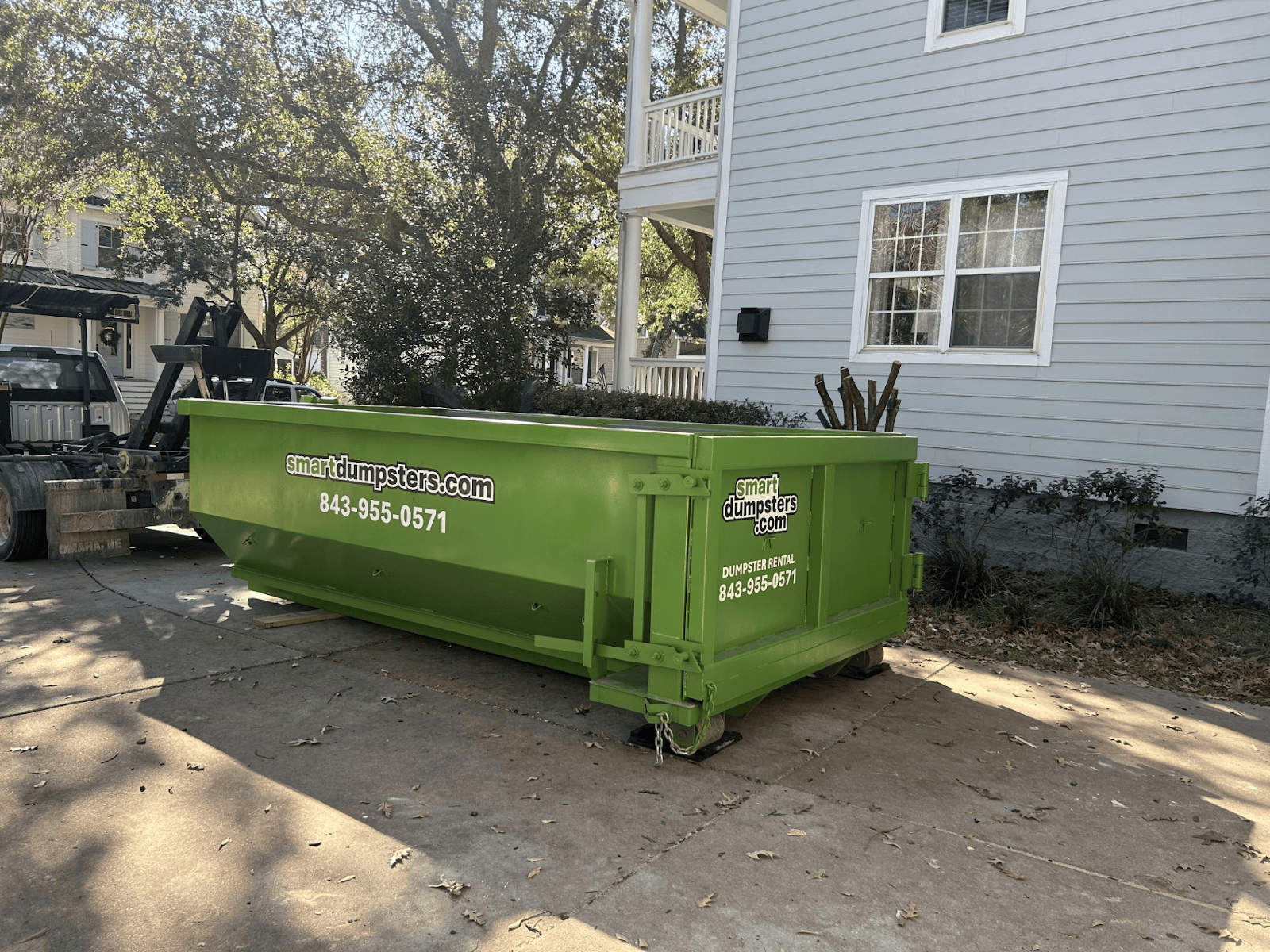
Permits come into play when your dumpster needs to sit on public property—usually the street, curb, or sidewalk. If the container fits entirely on your private property, like your driveway or yard, you typically don’t need a permit from the city or county. But if you don’t have room on your property, or if your driveway can’t accommodate the delivery truck’s maneuvering space, you’ll need to place it on the street, and that requires a permit.
Charleston County permit requirements vary slightly depending on which municipality you’re in. The City of Charleston requires a Temporary Encroachment Permit for dumpsters on public property, and the cost typically runs between $10 and $100 depending on location and how long you need it there. Processing time is usually one to five business days, so you need to factor that into your timeline. If you’re in North Charleston, Summerville, Mount Pleasant, or another area within Charleston County, the specific requirements might differ slightly, so it’s worth confirming with your local government or asking us what applies to your address.
The permit application usually requires details like the dumpster size, exact placement location, and duration of use. Some areas require a simple diagram showing where the container will sit relative to your property and the street. The permit ensures city officials know about the temporary placement and that you’re accountable for keeping it safe and compliant with local rules.
Navigating HOA Requirements for Dumpster Placement
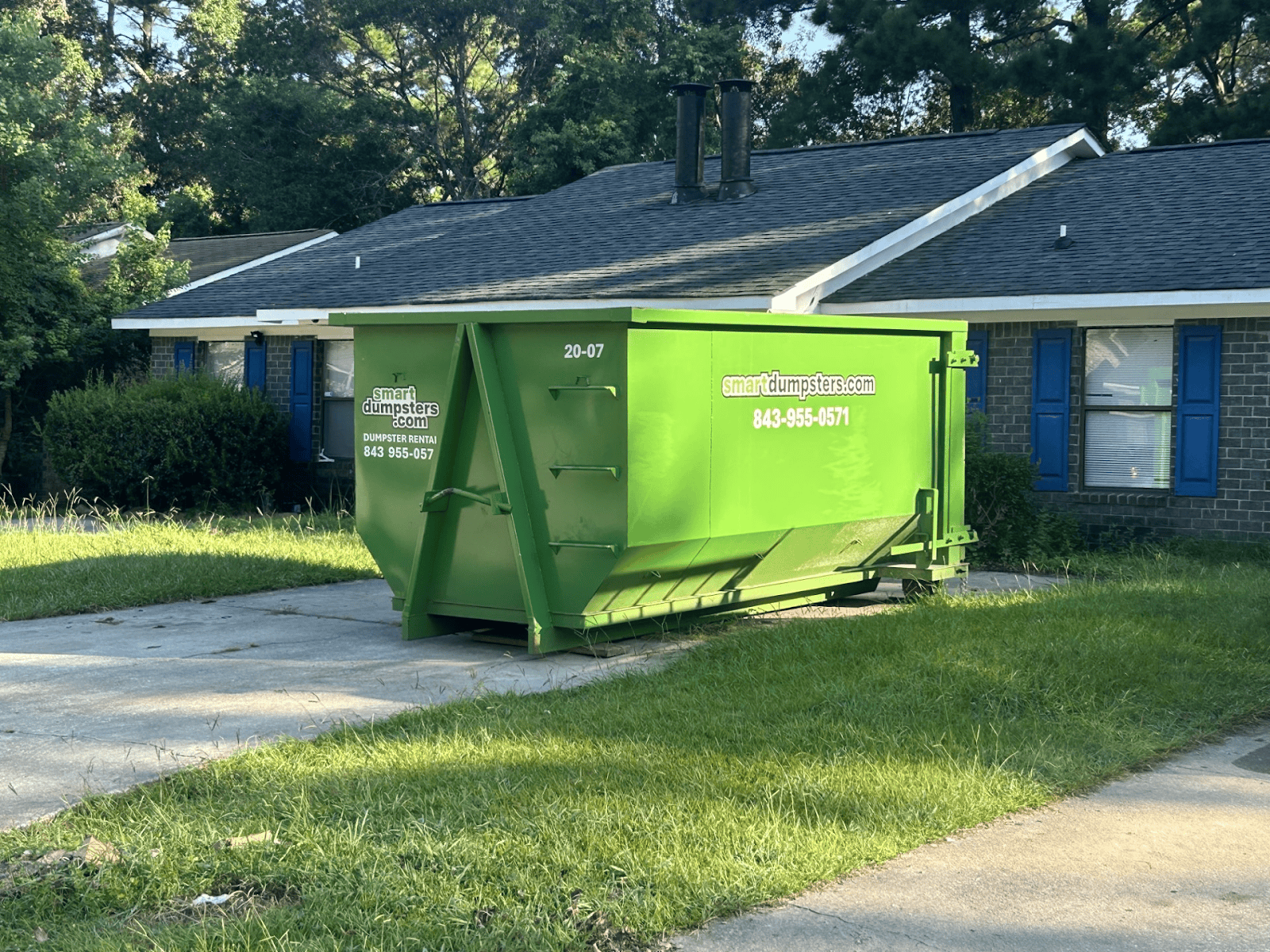
If you live in a neighborhood governed by a homeowners association, you’ve got another layer of requirements to navigate. Many HOAs in Charleston County have specific rules about where dumpsters can be placed, how long they can stay, and even what they look like. Common restrictions include requiring the dumpster to sit on your driveway rather than the street or lawn, limiting rental duration to 7 to 10 days, and mandating that containers aren’t visible from the street or neighboring properties.
Before you book your dumpster, review your HOA’s covenants, conditions, and restrictions—usually called the CC&Rs. These documents spell out exactly what’s allowed. If the rules aren’t clear, contact your HOA board or property management company directly. Some HOAs require written approval before a dumpster is delivered, and submitting a request with details about size, placement location, and rental duration helps avoid conflicts later.
HOA rules exist to maintain neighborhood aesthetics and property values, so they’re not going away. The key is working within them rather than hoping nobody notices. Placing your dumpster on your driveway in a spot that’s not visible from the main street often satisfies HOA concerns. If your driveway isn’t an option, some HOAs designate specific areas within your property where temporary containers are permitted, like behind a privacy fence or alongside your home.
Time limits are another common HOA restriction. If your association caps dumpster placement at 10 days, you need to schedule your rental period to match your actual project timeline. That might mean waiting to have the dumpster delivered until demo is about to start rather than having it sit empty for days while you finish prep work. It could also mean coordinating with your contractor to make sure debris removal happens efficiently so you’re not stuck with a half-full container when your HOA’s time limit expires.
Some Charleston County neighborhoods are stricter than others, especially in master-planned communities and areas with active HOA enforcement. If you’re not sure whether your HOA allows dumpsters or what the specific requirements are, don’t guess. A quick call or email to your property management company gives you clear answers and helps you avoid fines, forced removal, or friction with neighbors. We’re familiar with Charleston County neighborhoods and often know which areas have stricter HOA rules, so we can offer guidance based on our experience delivering to your area.
Dumpster Permits: When You Need One and How to Get It
You need a dumpster permit in Charleston County when the container will occupy public property. That includes streets, sidewalks, curbs, alleys, or any public right-of-way. Even a 10-yard dumpster can obstruct traffic, block visibility, or interfere with emergency vehicle access, which is why cities require permits to track temporary placements and hold residents or contractors accountable for safety.
The type of permit varies by municipality. In Charleston, it’s called a Temporary Encroachment Permit. Other areas might call it a Right-of-Way Permit, Street Use Permit, or Lane Closure Permit. The name changes, but the purpose is the same—ensuring city officials know where the dumpster is, how long it’ll be there, and that it meets local safety standards.
To get a permit, start by checking your local government’s website. Many Charleston County municipalities now offer online permit applications that streamline the process. If you can’t find the application online, call your city’s Public Works Department, Engineering Department, or Permit Center. They’ll direct you to the right office and explain what’s required for your specific address. Be ready with details like your project address, the dumpster size you’re renting, where exactly it will sit, and how many days you need it there.
Processing times vary, but most Charleston County permits are approved within one to five business days if your application is complete. Some areas offer faster processing for an additional fee. Either way, you need to apply early enough that the permit is approved before your scheduled delivery date. If your dumpster arrives without a permit and your city requires one, you could face fines, a stop-work order, or forced removal of the container, which delays your entire project.
Permit costs in Charleston County typically range from $10 to $100 depending on your location and rental duration. Some municipalities charge a flat application fee, while others charge per day the dumpster occupies public space. A few areas don’t charge at all. We can often tell you what to expect based on your address, and we help customers navigate the permit process, though the actual application is usually the homeowner’s or contractor’s responsibility.
If your permit has a time limit—say, 10 days—and your project runs longer, you’ll need to request an extension before the original permit expires. Extensions usually require a new application or written request explaining why you need more time. Planning your rental period realistically from the start helps avoid this, but renovations don’t always go according to schedule, so knowing the extension process ahead of time saves stress if your timeline shifts.
Planning Your Home Renovation Dumpster Rental in Charleston County
Getting your home renovation dumpster rental right comes down to three things: sizing the container to match what you’re actually removing, understanding permit and HOA requirements before delivery day, and scheduling your rental period to align with your project timeline. A 10-yard dumpster handles single-room renovations, a 15-yard steps up for larger projects, and a 20-yard covers full kitchen remodels or multi-room work. Pricing in Charleston County runs $395 to $650 depending on size and duration, with flat-rate options eliminating surprise fees.
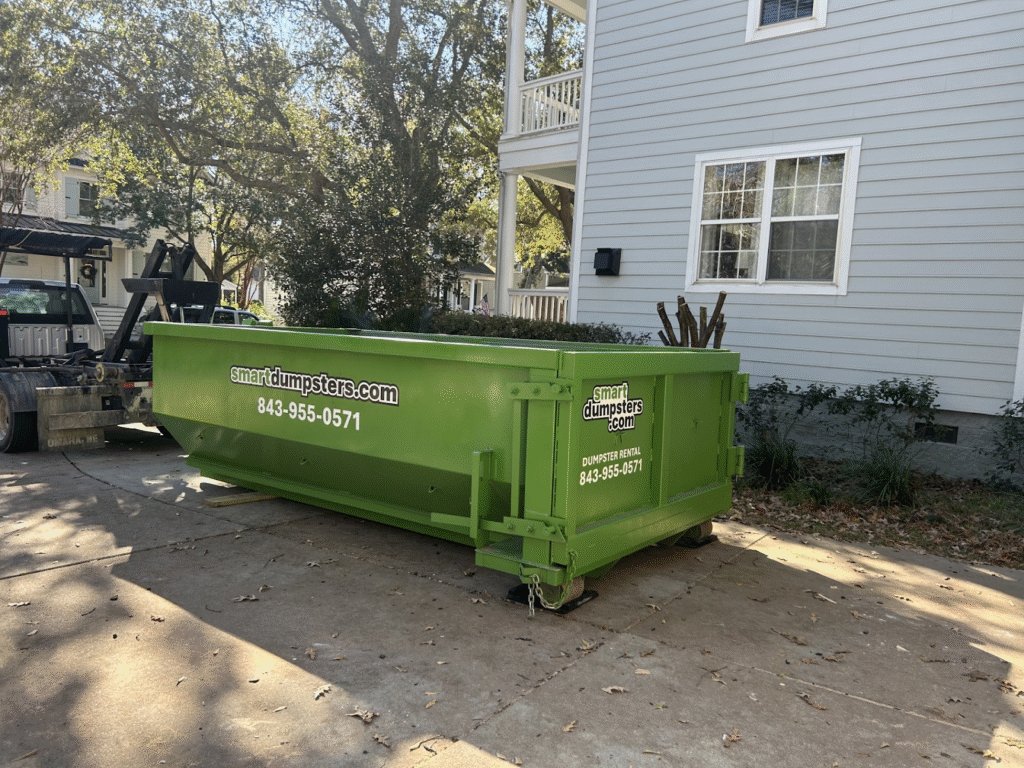
Permits matter when your dumpster sits on public property, and HOAs often have their own placement and duration rules. Checking both before you book saves you from delays, fines, or forced removal mid-project. Same-day delivery keeps your renovation on schedule, and driveway protection boards prevent damage to your property.
If you’re planning a renovation in Charleston County, SC and need a dumpster that shows up on time with transparent pricing and local expertise, we handle residential projects across Charleston, Berkeley, and Dorchester Counties. Same-day delivery, flat-rate pricing, and real online booking make the process straightforward so you can focus on your renovation instead of waste logistics.