Summary:
You rent a 20-yard dumpster. It’s only half full when you’re done loading. Then the invoice arrives with an extra $200 in overage fees, and you’re left wondering what went wrong.
Weight limits catch more people off guard than almost any other part of the roll off dumpster rental process. The size of the container doesn’t tell you how much weight it can handle, and certain materials hit that limit long before the bin looks full.
Here’s what you actually need to know about dumpster weight capacity, how limits work by size, and how to avoid paying more than you quoted—especially if you’re working with heavy debris like shingles, concrete, or dirt.
How Dumpster Weight Limits Actually Work
When you rent a roll-off dumpster , you’re paying for two things: space and weight. The “20-yard” or “30-yard” part refers to volume—how much physical room the container has. The dumpster weight limit is separate, and it’s measured in tons.
Most residential rentals include a set amount of disposal tonnage in the base price. That’s usually between 1 and 5 tons depending on the size you rent and what you’re throwing away. If your debris weighs more than that included amount, you’ll pay an overage fee for the extra tonnage.
The container gets weighed at the landfill twice—once when it’s full, once after it’s been emptied. The difference between those two weights is your debris total, and that’s what determines whether you stayed within your limit or went over.
20 Yard Dumpster Weight Limit: What 2-3 Tons Actually Covers
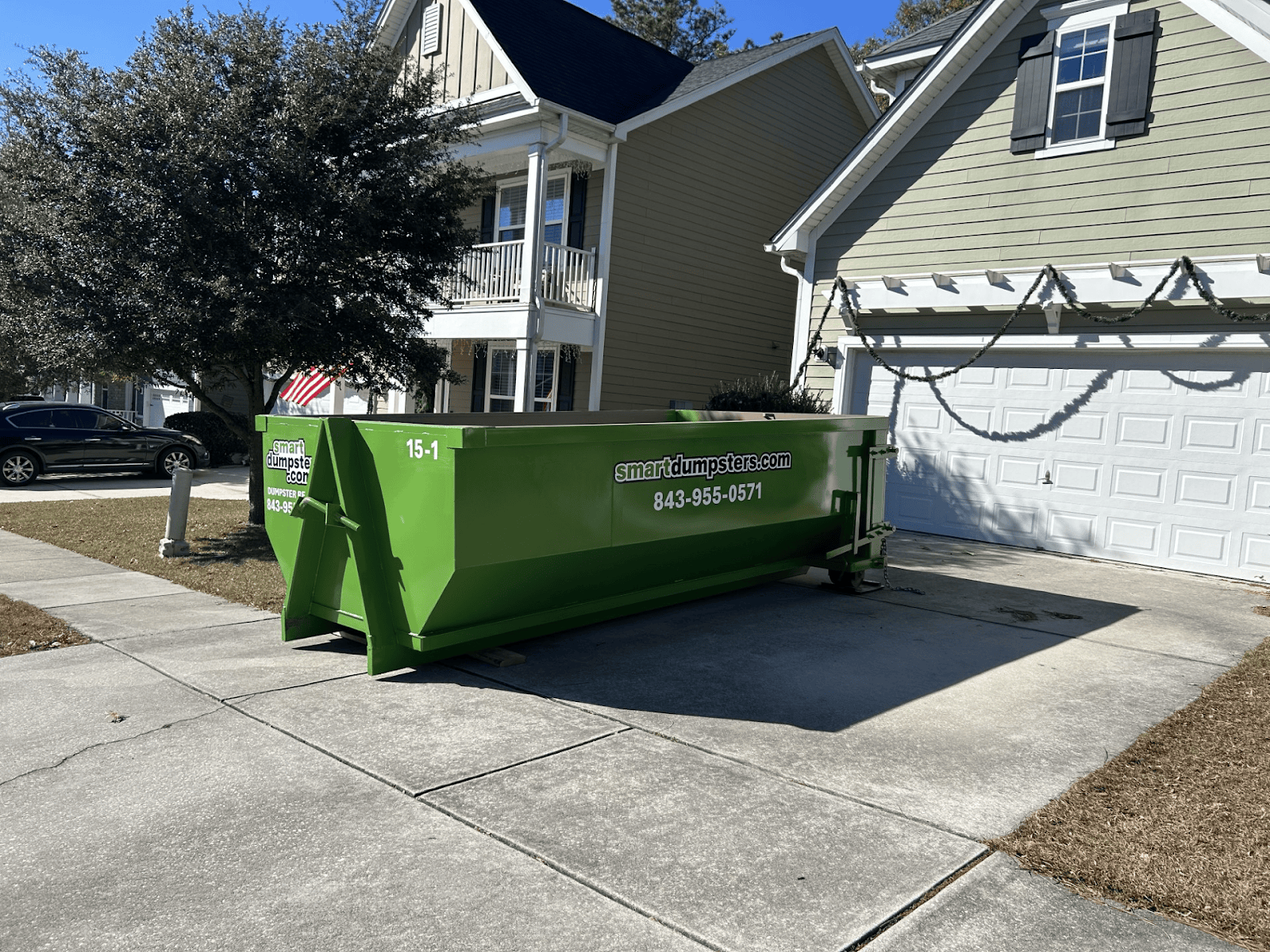
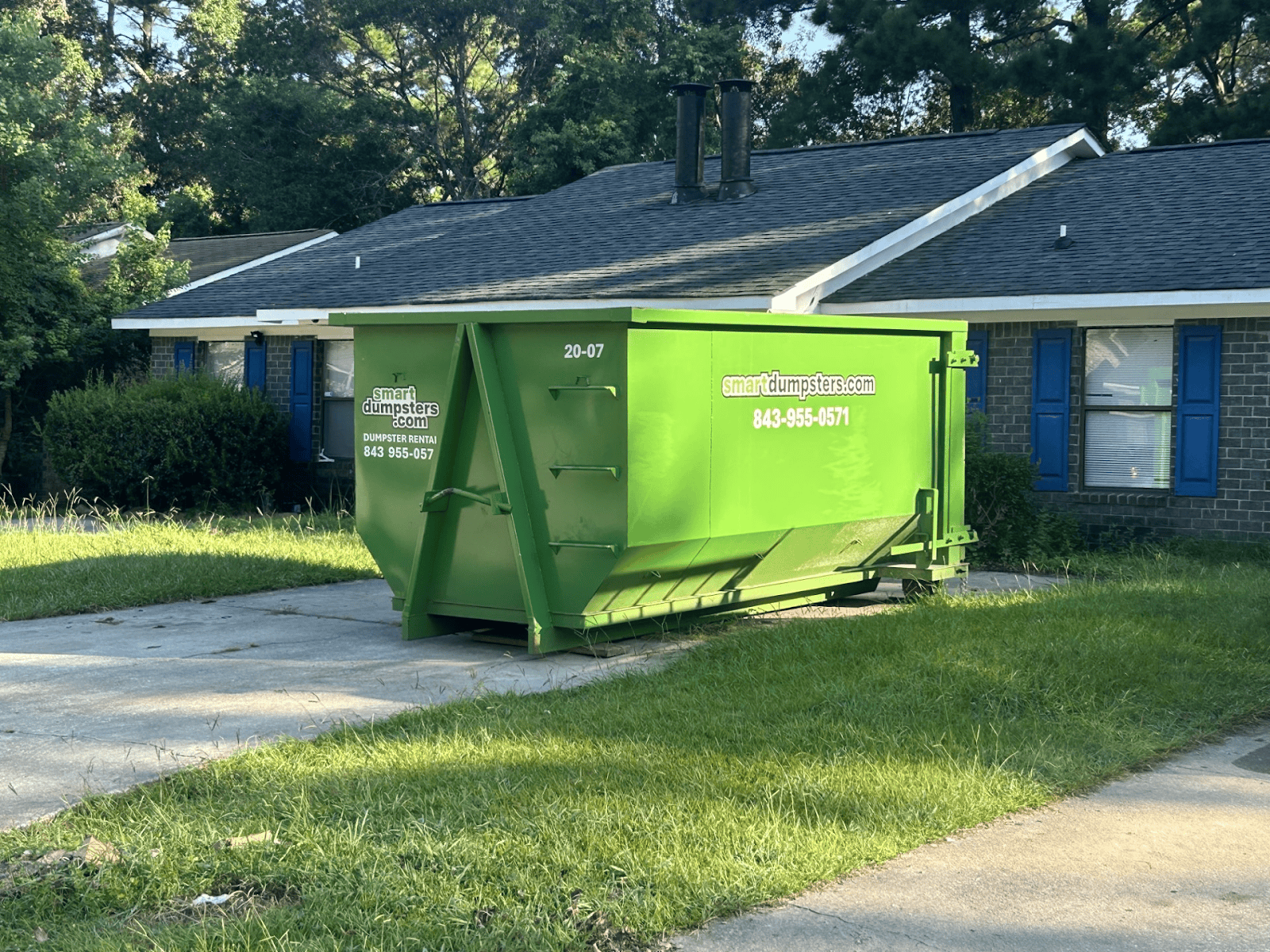
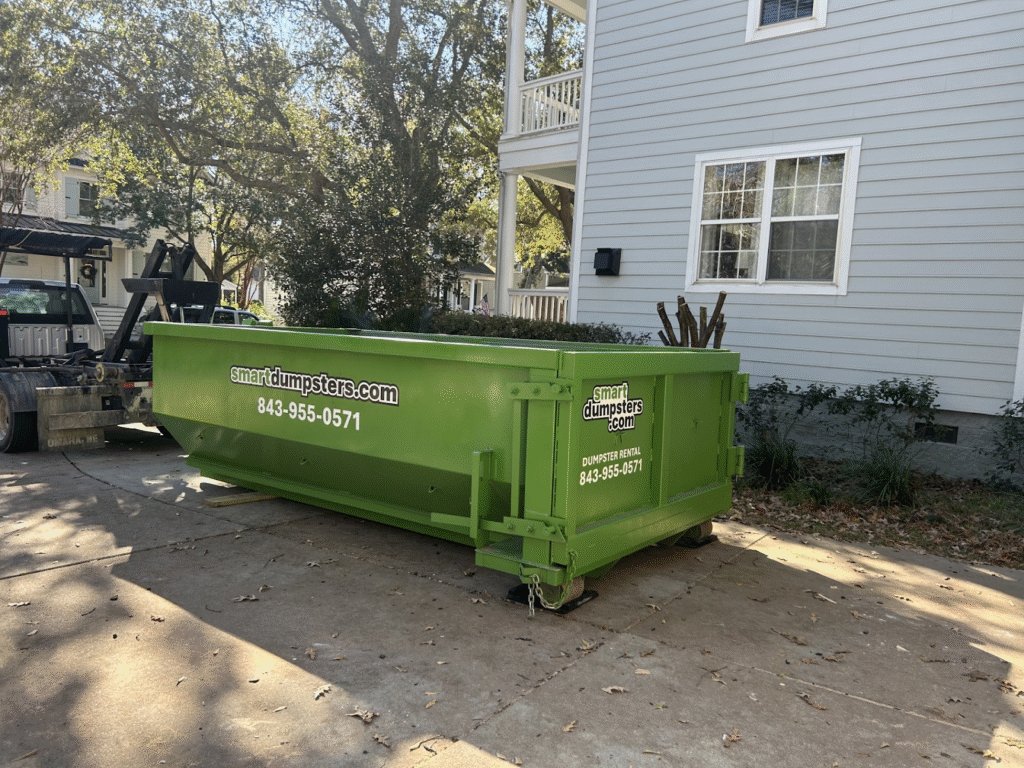
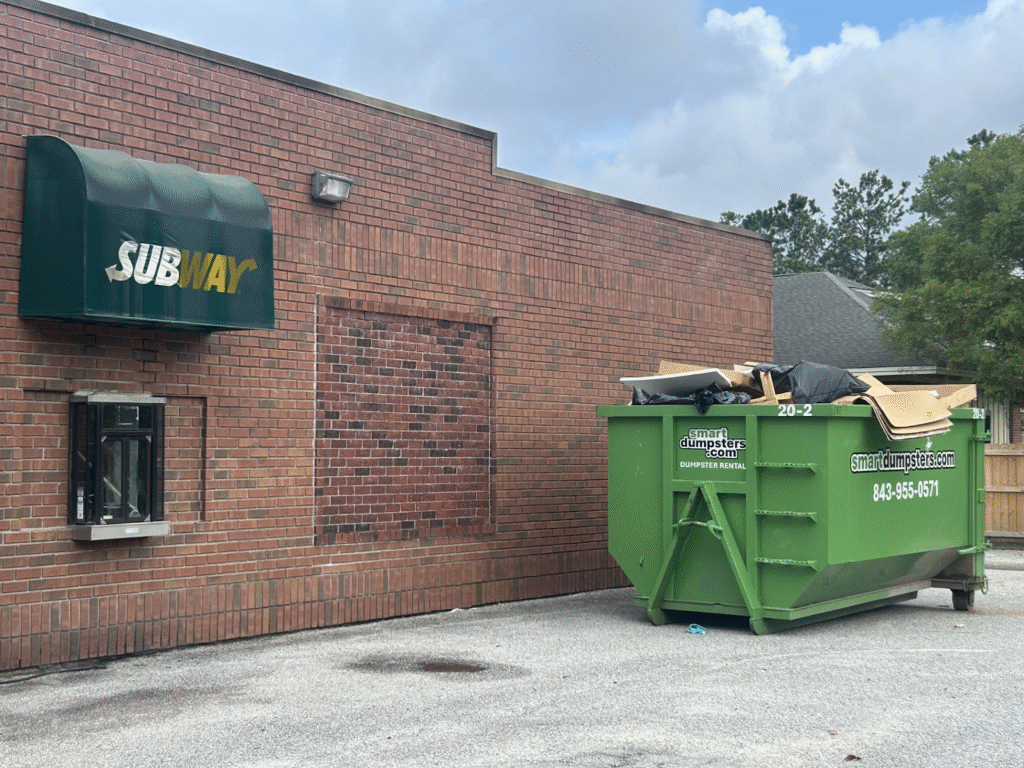
A 20-yard dumpster is one of the most popular sizes for home renovations, roof replacements, and garage cleanouts across Charleston County, SC. It holds about six to eight pickup truck loads of debris. But here’s the part that trips people up: the 20 yard dumpster weight limit is typically 2 to 3 tons—not 20 tons.
That means you can load 4,000 to 6,000 pounds of material before you hit the included weight allowance. For light debris like furniture, boxes, or yard waste, that’s usually more than enough. You could fill the entire container and still stay well under the limit.
Heavy materials are a different story. If you’re tossing concrete, dirt, tile, or asphalt, you can max out the weight limit when the dumpster is only a third to halfway full. A cubic yard of concrete weighs around 4,000 pounds on its own. Load three cubic yards and you’ve used up most of your allowance, even though the bin still has plenty of empty space.
This is why it’s important to know what you’re throwing away before you book. If your project involves heavy demolition debris, you might need a smaller container with a higher weight limit, or you’ll want to confirm upfront what the overage rate is so there are no surprises.
Roofing projects are another common culprit. Shingles don’t look that heavy when you’re pulling them off the roof, but they add up fast. A single roofing square—100 square feet of shingles—weighs between 250 and 300 pounds. If you’re tearing off a 2,000-square-foot roof, that’s 5,000 to 6,000 pounds right there, and that’s before you add any plywood, nails, or other debris.
The takeaway: a 20-yard dumpster gives you plenty of space, but if you’re working with dense materials, you need to pay attention to weight just as much as volume. Ask your rental company what’s included in your tonnage allowance and what the overage fee is per ton. That way, you can plan accordingly and avoid sticker shock when the final bill comes.
30 Yard Dumpster Weight Limit: Balancing Space and Tonnage
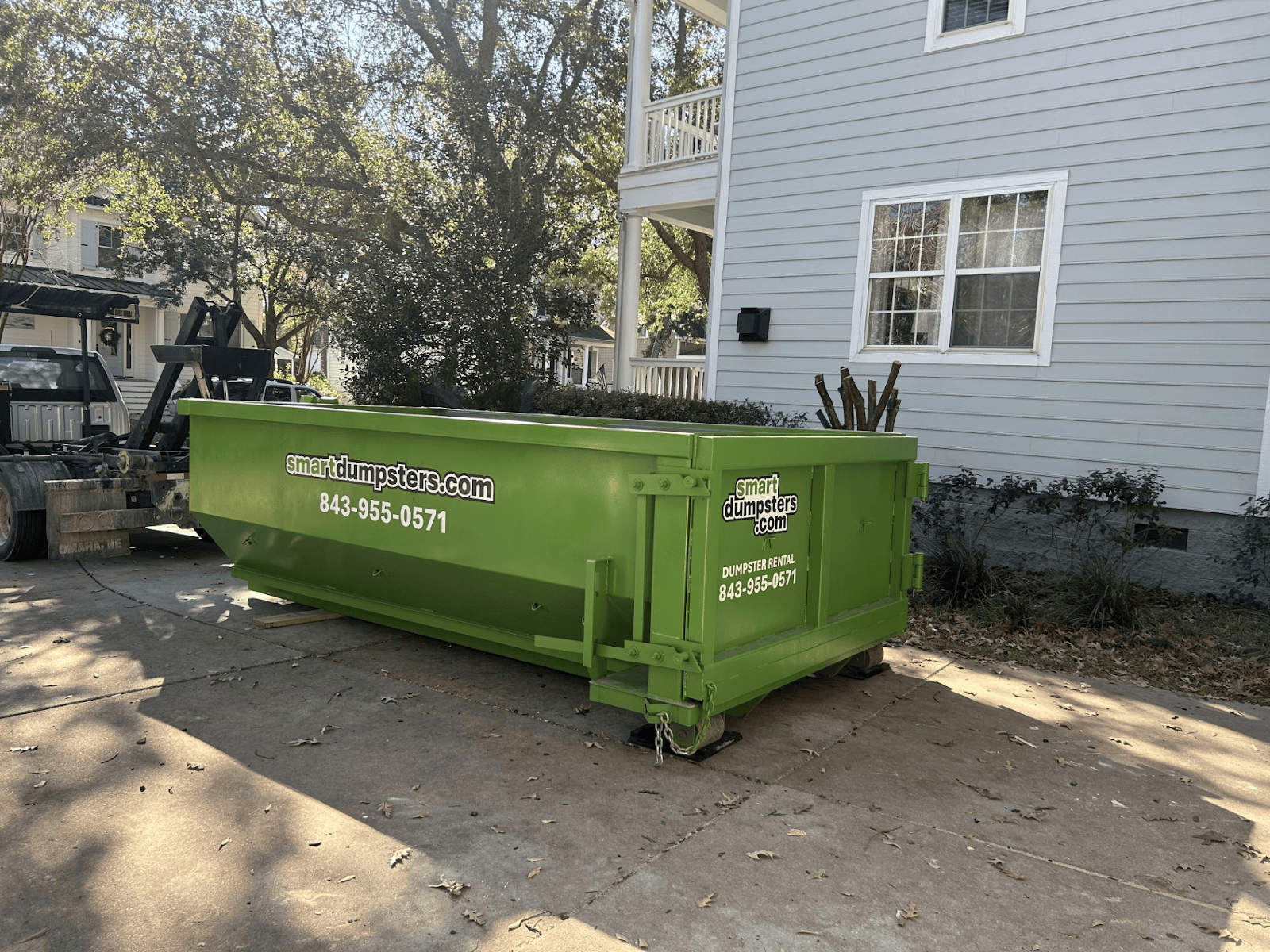
A 30-yard dumpster is the go-to size for larger renovations, whole-house cleanouts, and commercial projects. It holds roughly 12 pickup truck loads, which makes it a solid choice when you’ve got serious volume to deal with. The 30 yard dumpster weight limit typically falls between 3.5 and 5 tons—that’s 7,000 to 10,000 pounds of debris.
For mixed household waste, construction debris, or general cleanout materials, this size usually gives you enough capacity to finish the job without worrying about hitting the weight cap. You’re dealing with a good balance of space and tonnage, so as long as you’re not loading it entirely with heavy materials, you should be fine.
The problems start when contractors or homeowners use a 30-yard for demolition work involving concrete, brick, or dirt. Those materials are extremely dense. Even though the container looks like it can hold a lot more, the weight adds up so quickly that you’ll exceed the limit before you’ve used half the available space.
If you know you’re disposing of heavy debris, communicate that with us upfront. We offer guidance on the right container type for your specific materials. Some companies offer “heavy debris” dumpsters, which are smaller in volume but come with higher weight allowances. A 10-yard heavy debris dumpster might include up to 10 tons of disposal, which is a better fit than trying to cram dense materials into a larger container with a lower weight limit.
Another thing to keep in mind: moisture. If your debris sits in the dumpster during a rainstorm, absorbent materials like drywall, carpet, and soil will soak up water and get significantly heavier. That added weight counts toward your total, so if you’re expecting rain during your rental period, either cover the container with a tarp or plan for the possibility of extra tonnage.
The 30-yard is a workhorse size, and it handles most residential and light commercial projects without issue. Just make sure you’re realistic about what you’re loading. If the debris is heavy enough that you’re struggling to lift it, that’s a sign you need to pay attention to weight limits. Talk to us, explain what you’re tossing, and we’ll confirm the tonnage allowance so you know exactly what you’re working with.
Understanding Roll Off Dumpster Rental Weight by Size
Every roll off dumpster rental comes with a weight allowance that’s built into the base price. That allowance varies depending on the size of the container and the type of debris you’re disposing of. Smaller dumpsters typically include 1 to 2 tons, while larger containers might come with 3 to 5 tons.
The key is knowing what those numbers actually mean for your project. A ton is 2,000 pounds. Two tons is 4,000 pounds. That might sound like a lot, but depending on what you’re throwing away, it can disappear fast.
If you’re renting a dumpster in Charleston County, SC, we explain the dumpster weight limit upfront. We believe in transparency—no burying details in the fine print and hitting you with overage fees after pickup. That’s why it’s worth asking directly: How much tonnage is included? What’s the overage rate per ton? And what happens if I go over?
40 Yard Dumpster Weight Limit and When to Use This Size
A 40-yard dumpster is the largest size most residential and commercial customers will ever need. It holds about 16 pickup truck loads and is commonly used for major construction projects, large-scale demolitions, and commercial cleanouts. The 40 yard dumpster weight limit typically ranges from 4 to 6 tons, or 8,000 to 12,000 pounds.
This size makes sense when you’ve got a high volume of lightweight to medium-weight debris. If you’re clearing out an entire office building, tearing down interior walls, or hauling away a massive amount of packaging and non-structural materials, the 40-yard gives you the space you need without forcing you to rent multiple containers.
Where it doesn’t make sense is for heavy debris. If you’re disposing of concrete, asphalt, dirt, or brick, a 40-yard dumpster will hit its weight limit long before it’s even close to full. You’ll end up paying for space you can’t use, and you’ll still get hit with overage fees because the weight exceeded the included tonnage.
For heavy materials, you’re better off renting a smaller container with a higher weight allowance or booking multiple smaller dumpsters. Some companies offer 10-yard or 15-yard heavy debris containers that include up to 10 tons of disposal. That’s a much better fit than trying to load a 40-yard and hoping you stay under the limit.
Another consideration: placement. A 40-yard dumpster is big. It’s roughly 22 feet long and 8 feet wide, which means it takes up a significant amount of space. If you’re working on a residential property in Mount Pleasant or North Charleston with a narrow driveway or limited street access, this size might not even be an option. You’ll need to confirm that the delivery truck can navigate your neighborhood and that there’s enough room to drop the container without blocking traffic or violating local ordinances.
If you do rent a 40-yard, make sure you’re loading it strategically. Distribute the weight evenly throughout the container rather than stacking everything on one side. Break down bulky items to maximize space. And if you’re mixing heavy and light materials, load the heavy stuff first and fill in the gaps with lighter debris. That way, you’re using the full capacity of the container without exceeding the weight limit.
The 40-yard is a powerful tool when used correctly, but it’s not the right choice for every project. Talk through your debris type and volume with us before committing to this size. If we’re recommending something smaller or suggesting a different approach, there’s probably a good reason.
How to Estimate Debris Weight Before Your Roll Off Dumpster Rental
Most people can eyeball volume pretty well. You look at a pile of debris and think, “Yeah, that’ll fit in a 20-yard dumpster.” But estimating weight is a lot harder, and that’s where overage fees sneak up on you.
The easiest way to get a rough estimate is to think about what you’re throwing away and how heavy it feels when you’re handling it. If you’re struggling to lift individual pieces, that material is dense. Lots of dense material means you need to pay attention to weight limits. If you’re tossing armfuls of insulation, cardboard, or yard waste, weight probably won’t be an issue.
Here are some general guidelines for common materials. Household junk—furniture, boxes, clothes, toys—typically weighs between 150 and 300 pounds per cubic yard. Yard waste like branches, leaves, and grass clippings is similar. Drywall and wood framing are heavier, usually around 300 to 500 pounds per cubic yard. Roofing shingles are even denser, at 250 to 300 pounds per roofing square (100 square feet).
Then you’ve got the heavy hitters. Concrete, brick, and asphalt weigh around 4,000 pounds per cubic yard. Dirt and soil are in the same range. If you’re loading any of these materials, you’re going to hit your weight limit fast, even if the dumpster still has plenty of room.
Moisture is another factor. Wet materials weigh significantly more than dry ones. If your debris has been sitting outside in the rain, or if you’re tossing water-damaged materials from a flooded basement, expect the weight to be higher than normal. Some contractors cover their dumpsters with tarps to keep rain out and avoid the extra weight. That’s a smart move if you’re already close to your tonnage limit.
If you’re still not sure, give us a call and describe the project. Tell us what you’re tearing out, how much square footage you’re dealing with, and what kind of materials are involved. We’ll help you estimate the weight and recommend the right size container with an appropriate tonnage allowance. We’ve seen thousands of projects, and we know what tends to go over and what doesn’t.
You can also use online weight calculators, though those are only as accurate as the information you put in. They’ll give you a ballpark figure, but they don’t account for variables like moisture, how tightly you pack the dumpster, or whether you’re mixing heavy and light materials.
The goal isn’t to get the estimate perfect. It’s to get close enough that you’re not blindsided by overage fees. If you think you’re going to be right on the edge of the weight limit, it’s worth asking about the overage rate upfront. Some companies charge $75 to $100 per ton over the limit. We keep our rates reasonable and transparent. Knowing that number ahead of time lets you decide whether it’s worth renting a larger container with more tonnage or just accepting that you might pay a little extra.
Avoiding Overage Fees with the Right Roll Off Dumpster Rental
Weight limits aren’t complicated once you understand how they work. You’re paying for space and tonnage. If your debris is light, you’ll fill the space before you hit the weight limit. If it’s heavy, you’ll max out the tonnage before the container looks full. Either way, knowing what you’re working with ahead of time keeps you from paying more than you planned.
The best way to avoid overage fees is to be honest with your rental provider about what you’re throwing away. If you’re tearing out a concrete patio, say that. If you’re replacing a roof, mention it. If you’re cleaning out a garage full of old furniture and boxes, let us know. That information helps us recommend the right size and weight allowance for your project.
If you’re working on a project in Charleston County, SC, and you want a rental company that’s upfront about weight limits and pricing, we can walk you through it. We provide clear tonnage allowances, transparent overage rates, and local expertise that actually understands what you’re dealing with.
Keep reading
Five guides that cover what people actually ask us before they book: what fits, what it weighs, what it costs, and what we can and cannot take.
The guides
Book a container
Serving Charleston, North Charleston, Mount Pleasant, Summerville, Goose Creek and 40+ more Lowcountry towns. Get a same-day quote.