Summary:
If you’ve ever stood in a driveway full of demolition debris wondering why your dumpster’s already full, you know the frustration of choosing the wrong size. Or maybe you’re staring at a half-empty container, realizing you just paid for 15 yards you didn’t need. Either way, it’s an expensive lesson.
Choosing the right construction dumpster isn’t complicated, but it does require thinking through what you’re actually tossing, how much space it takes up, and what it weighs. Get it right, and your project stays on track. Get it wrong, and you’re either scrambling for a second pickup or watching money sit in your driveway doing nothing.
Here’s what actually matters when you’re sizing a construction dumpster for demolition, renovation, or building projects across Charleston County, Berkeley County, and Dorchester County.
What Size Construction Dumpster Do You Actually Need
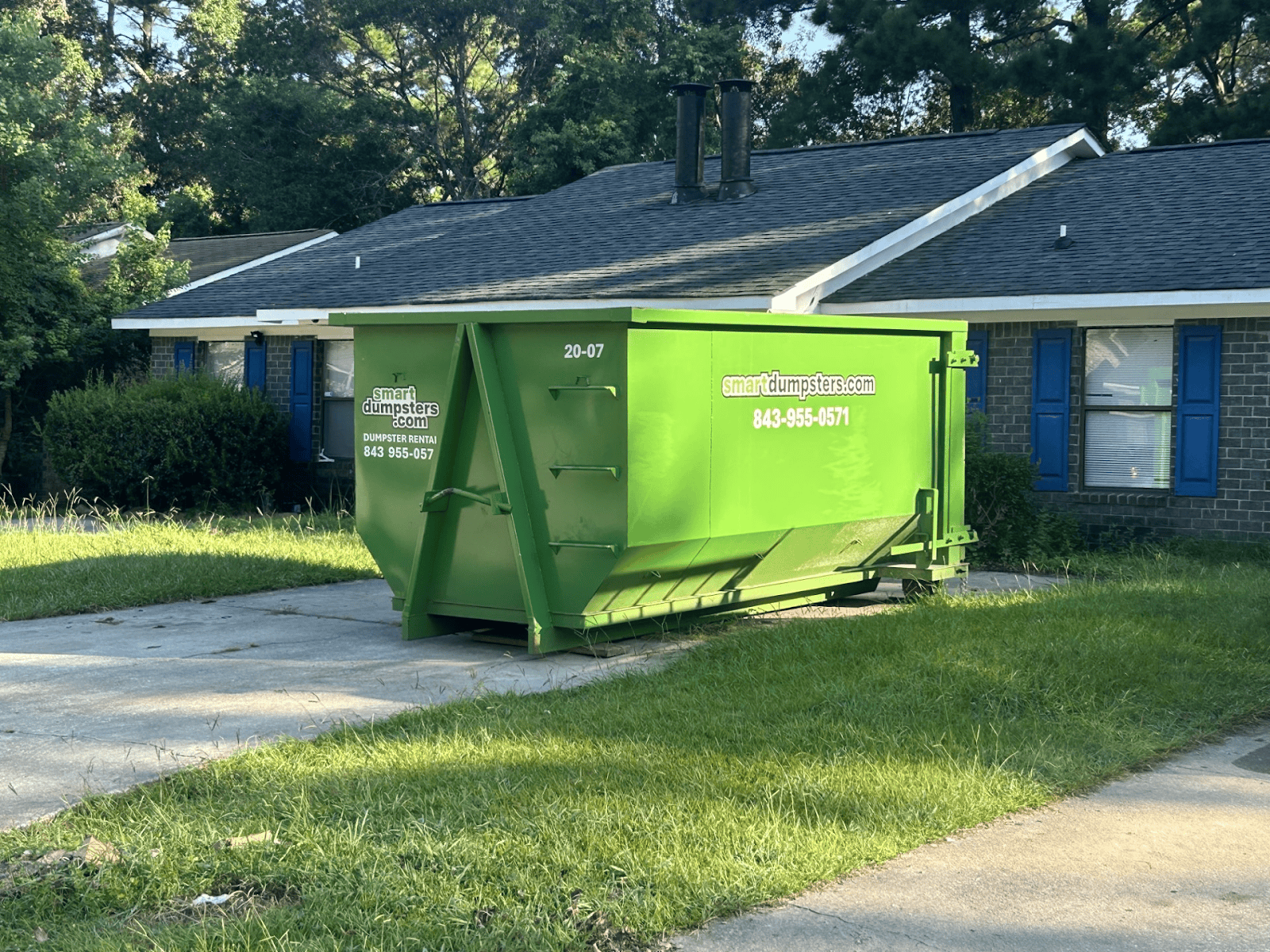
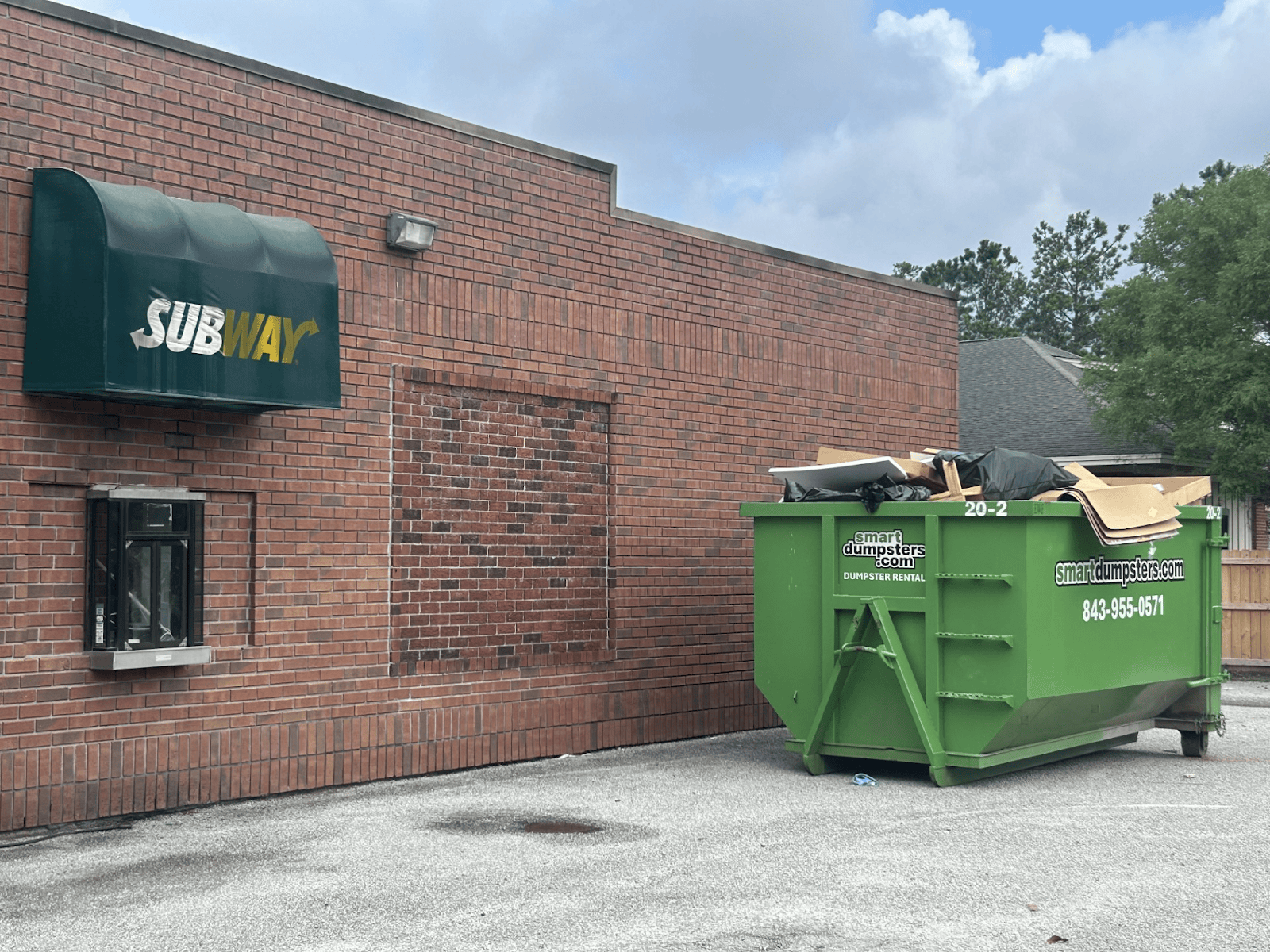
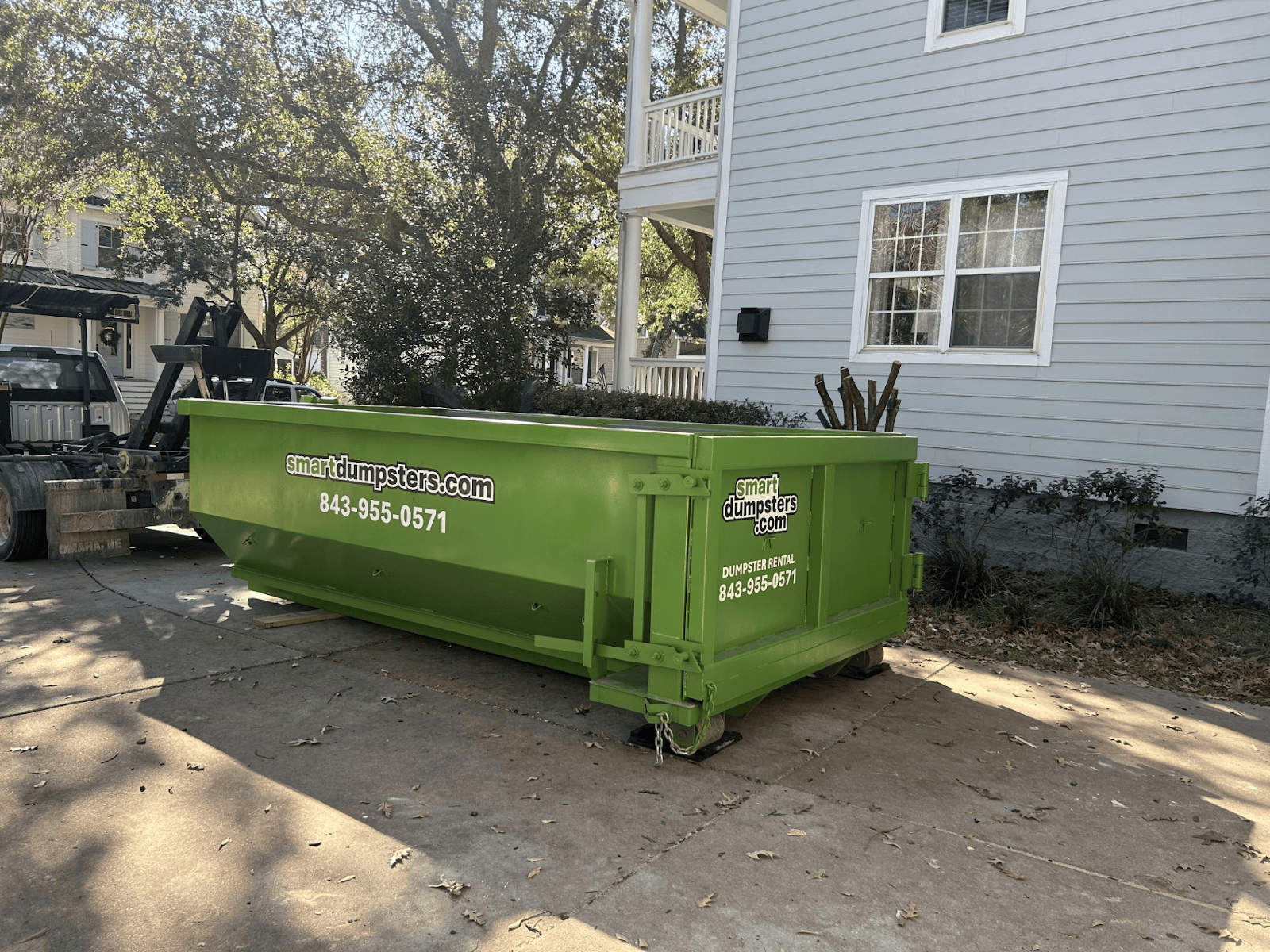
The honest answer? It depends on what you’re tearing out and how heavy it is. A <20-yard dumpster handles different amounts depending on whether you're filling it with drywall or concrete.
Most construction dumpsters range from 10 to 40 cubic yards. The size refers to volume, not weight, which trips people up. You might have room left in a 30-yard container but hit the weight limit if you’re dealing with heavy materials like brick, asphalt, or dirt.
For most residential renovation projects—think kitchen remodels, bathroom tear-outs, or deck removals—a 20 or 30-yard dumpster gets the job done. Smaller projects like single-room cleanouts can work with a 10 or 15-yard. Large-scale demolition or new construction usually needs a 30 or 40-yard to handle the volume without multiple trips.

How to Estimate Debris Volume Before You Rent a Dumpster
Start by looking at what’s coming out, not what’s staying. Walk through the space and mentally separate demo materials into piles: drywall, framing lumber, flooring, fixtures, cabinets. Each material takes up space differently once it’s torn out.
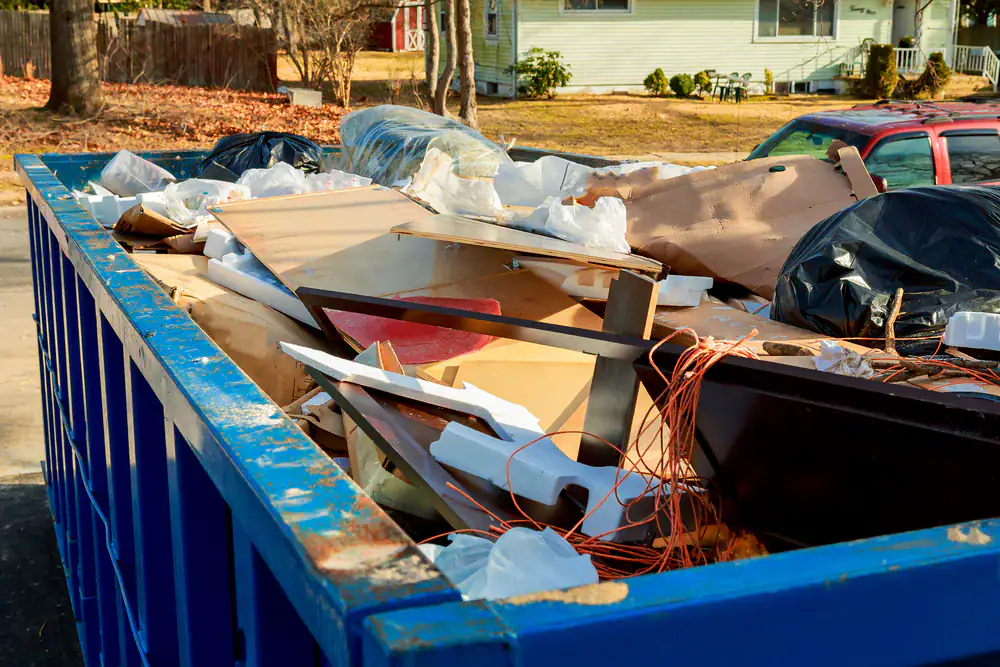
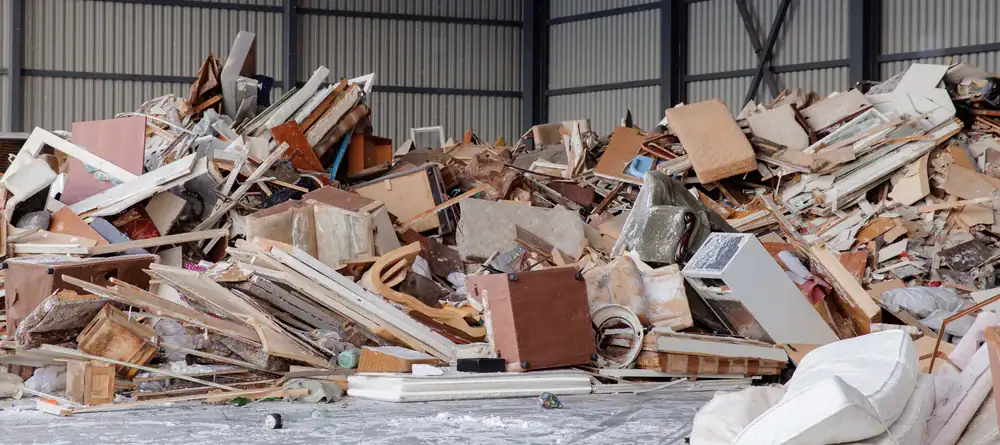
Here’s the thing most people miss—demolition debris expands. A wall that looks compact in place turns into a much bigger pile once it’s broken apart. In fact, demolition debris can expand three to four times its original volume. Drywall sheets, two-by-fours, and trim don’t stack neatly. They create voids and take up more room than you’d expect.
If you’re gutting multiple rooms, measure the square footage and think in truckloads. A 20-yard dumpster holds roughly the same as six pickup truck loads. A 30-yard holds about nine. If you’re clearing out a whole house or tearing down a structure, you’re likely looking at the higher end.
Don’t forget about the stuff that’s easy to overlook. Old insulation, carpet padding, and roofing shingles add up fast. Same with things like tile, countertops, and vanities. They’re bulky, and even though they might not weigh a ton, they fill space.
One more thing—if you’re working on a project over multiple days or weeks, think about whether debris will accumulate faster than you expect. With Charleston’s construction activity picking up and contractors juggling multiple jobs, debris piles can grow quickly. It’s better to size up slightly than to run out of room halfway through and have piles sitting on your property waiting for a second dumpster.
The goal isn’t perfection. It’s avoiding the two most common mistakes: renting a dumpster so small you need a second one, or renting one so big you’re paying for empty space. A little planning here saves you from both.
Why Dumpster Weight Limits Matter for Construction Debris
Here’s where a lot of people get caught. You rent a 30-yard dumpster thinking you’ve got plenty of room, then halfway through the project you get a call saying you’ve hit the weight limit. Now you’re looking at overage fees or needing to rent a second container.
Construction dumpsters have two limits: volume and weight. Volume is how much physical space the container holds. Weight is how heavy the debris inside can be before it becomes unsafe to haul or costs extra to dispose of. Most dumpsters include a weight limit between 1 and 5 tons—that’s 2,000 to 10,000 pounds—but it varies by size and rental company.
Light materials like wood framing, drywall, and insulation rarely hit weight limits. You’ll fill the dumpster by volume long before you hit tonnage. But heavy materials like concrete, brick, dirt, and asphalt are a different story. Concrete weighs about 150 pounds per cubic foot. A cubic yard of solid concrete can hit 4,050 pounds. Fill a 20-yard dumpster with broken concrete and you’ve blown past most standard weight limits.
That’s why smaller dumpsters are often recommended for heavy debris. A 10-yard container with a higher weight allowance can handle a concrete slab or asphalt driveway without exceeding limits. Trying to use a 30-yard for the same job just means you can only fill it partway, and you’re paying for space you can’t use.
Mixed loads are tricky too. If you’re tearing out a basement with concrete floors, block walls, and wood framing, you need to estimate the weight of each material separately. The concrete alone might max out your tonnage even if the container looks half full.
Most rental companies charge overage fees by the ton once you exceed the included weight. Fees typically run $75 to $100 per additional ton, and they add up fast. If you’re disposing of 3 extra tons, that’s $200 to $300 on top of your rental cost.
The fix? Be honest about what you’re tossing when you book. If you’re dealing with heavy materials, ask about weight limits upfront and consider a smaller dumpster with a higher tonnage allowance. If it’s a mixed load, estimate conservatively and expect to hit the higher end of the weight range. Better to plan for it than get surprised later.
Matching Dumpster Size to Your Construction or Demolition Project
Not all projects generate the same kind of waste, and that changes which dumpster makes sense. A kitchen remodel produces different debris than a roof tear-off or a full-house demo. Matching the container to the job keeps costs down and prevents headaches.
For small renovations—like a bathroom remodel, closet demo, or garage cleanout—a 10 or 15-yard dumpster usually handles it. You’re dealing with cabinets, drywall, maybe some tile and fixtures. It’s manageable volume, and the debris is typically light enough that weight isn’t an issue.
Medium projects like full kitchen remodels, deck removals, or flooring replacement across multiple rooms fit better in a 20-yard. You’ve got more material, and things like countertops, old appliances, and hardwood can take up space fast. A 20-yard gives you breathing room without paying for a container that’s way too big.
Large-scale work—whole-house renovations, additions, or new construction—almost always needs a 30 or 40-yard dumpster. You’re generating serious volume, and if you’re managing multiple trades on-site, debris piles up quickly. A bigger container means fewer interruptions and less coordination around pickups.
What You Need to Know About Demolition Dumpsters and Heavy Debris
Demolition projects are different because the debris is unpredictable. You might think you’re just tearing out a wall, but once you start, you find old plaster, metal lath, brick, and who knows what else. The volume expands, and the weight adds up faster than lighter renovation waste.
If you’re doing structural demolition—tearing down walls, removing foundations, or breaking up concrete—expect the debris to take up three to four times more space than it did intact. A 10-foot section of wall doesn’t become a neat 10-foot pile. It becomes chunks, dust, and twisted metal that spread out and don’t compact well.
Heavy debris like concrete, brick, and stone requires special attention. These materials max out weight limits fast, even in smaller containers. A 10-yard dumpster is often the right call for concrete or asphalt removal, not because of volume, but because anything bigger would exceed the weight the truck can legally haul. Most roll-off trucks max out around 10 tons—20,000 pounds—for safe, legal transportation.
For mixed demolition debris—where you’ve got a combination of wood, metal, drywall, and masonry—estimate each material separately, then add them up. The wood and drywall will fill space. The masonry will add weight. If you’re unsure, it’s smarter to overestimate the weight and underestimate the volume.
One thing to watch for in the Charleston area: disposal facilities have specific rules about what they accept. Some dumpster companies won’t take certain materials, or they charge extra for things like dirt, concrete, or shingles. Know what’s allowed before you start loading, because contamination fees or rejected loads can derail your timeline and cost you money.
If your project involves tearing out a driveway, foundation, or large masonry structure, talk to the rental company about weight limits and material restrictions upfront. You might need a dedicated heavy debris dumpster, or you might need to separate materials into different containers. Either way, planning for it beats scrambling mid-project.
How to Avoid Paying for a Dumpster Rental Twice
The most expensive mistake you can make is renting a construction dumpster that’s too small. You fill it up, call for pickup, and realize you’ve still got half a project’s worth of debris sitting on-site. Now you’re paying for a second rental, a second delivery, and a second dump fee. What should’ve been a one-time cost just doubled.
It happens more often than you’d think, especially on projects where debris volume gets underestimated. A garage cleanout turns into a full attic and basement purge. A kitchen remodel expands to include tearing out old flooring in the hallway. Suddenly, the 15-yard dumpster that seemed like plenty is overflowing, and you’re stuck.
Sizing up by one container size is usually smarter than sizing down to save a few bucks. The cost difference between a 20-yard and a 30-yard dumpster is typically $50 to $100. Compare that to the cost of renting a second dumpster—which includes another delivery fee, another dump fee, and another rental period—and the math is obvious. Spending a little more upfront saves a lot more later.
Another common issue is underestimating how long a project will take. Most dumpster rentals come with a set rental period, usually 7 to 10 days. If your project drags out longer than expected, you’ll pay daily fees to keep the dumpster on-site. Those fees add up, especially if you’re waiting on permits, inspections, or subcontractors.
If you know the project might take longer, ask about extended rental periods when you book. Some companies offer flat-rate pricing for longer timelines, which can be cheaper than paying daily overage fees. Others are flexible about swapping out a full dumpster for an empty one if you need continuous service over weeks.
The key is communication. If you’re not sure what size you need, or if the project scope might change, talk to us before you book. We’ll ask the right questions and help you size correctly based on what you’re actually doing, not just what sounds reasonable.
Renting the right size the first time isn’t just about saving money. It’s about keeping your project moving without delays, without debris piling up on your property, and without the headache of coordinating multiple pickups when one should’ve been enough.
Getting the Right Construction Dumpster in Charleston Without the Guesswork
Choosing a construction dumpster doesn’t have to be complicated. Know what you’re tearing out, estimate the volume honestly, and factor in weight if you’re dealing with heavy materials. Size up if you’re on the fence. Plan for the full project timeline, not just the first few days.
The difference between a smooth project and a frustrating one often comes down to whether you had the right dumpster from the start. Too small, and you’re paying twice. Too big, and you’re wasting money. The right size keeps things moving and keeps costs predictable.
If you’re working on a demolition, renovation, or construction project in Charleston County, Berkeley County, or Dorchester County and need a dumpster rental that shows up on time with clear pricing and no surprises, we handle it. Local, straightforward, and built for people who just want the job done right.