Summary:
You need waste picked up on schedule. You need clear pricing. And you need someone who actually answers when something goes wrong.
Those three things sound basic, but they’re exactly where most commercial waste disposal relationships fall apart. The difference usually comes down to whether you’re working with a local operator who knows your market or a national company managing accounts from three states away.
This isn’t about bashing big companies or romanticizing small ones. It’s about understanding how service models, pricing structures, and operational priorities differ—and what that means for your business in Charleston County, SC.
How Commercial Dumpster Service Models Actually Work
Commercial waste disposal breaks down into two basic service models, and understanding the difference matters more than most people realize when you’re selecting a waste management company.
Front-load dumpsters work for ongoing commercial waste needs. Restaurants, retail stores, offices, and apartment complexes typically use 2-yard to 8-yard front-load containers serviced on a regular schedule—weekly, twice weekly, or daily depending on volume. The truck lifts and empties the dumpster, then puts it back. This model works well for businesses generating consistent waste streams.
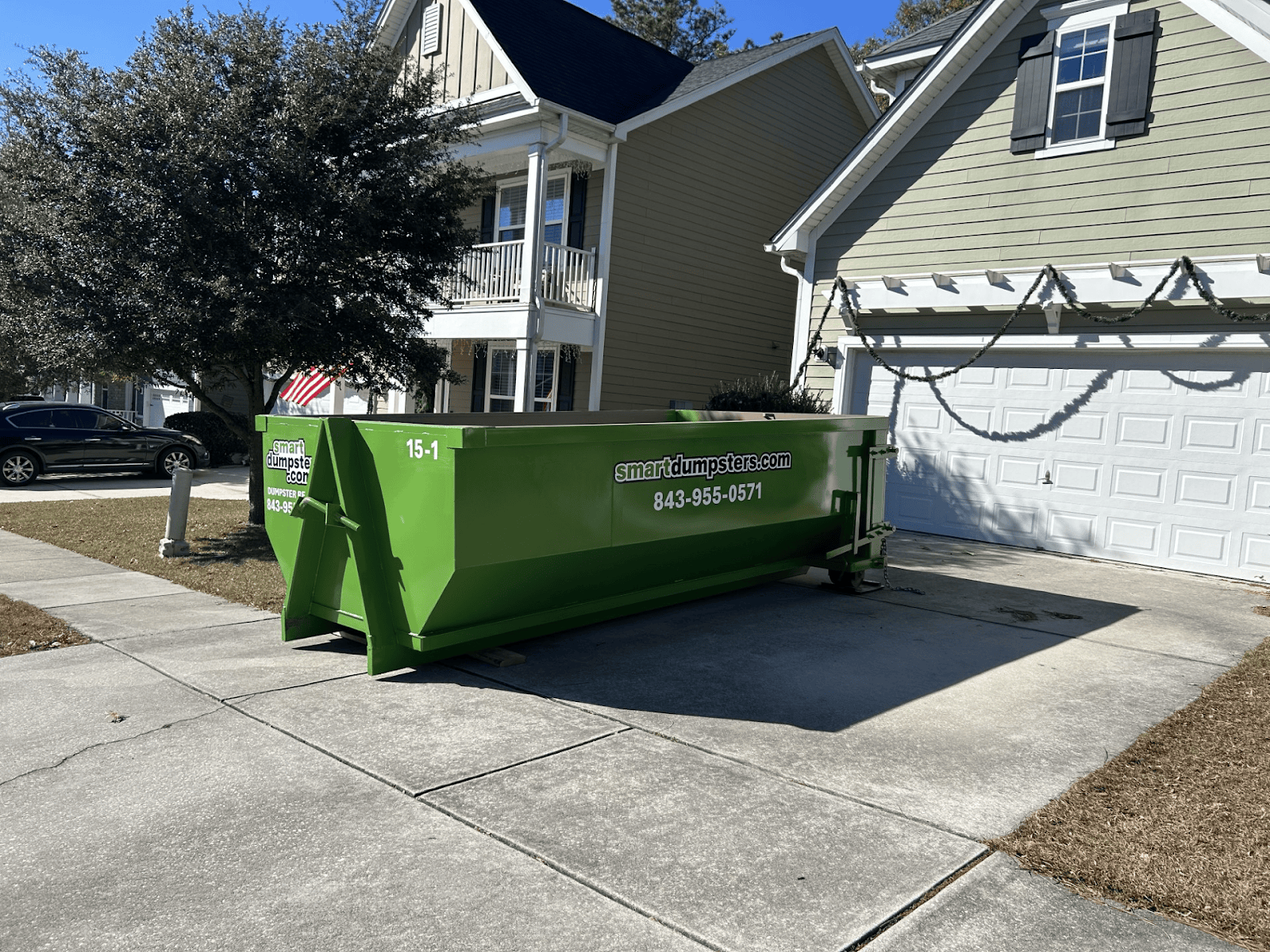
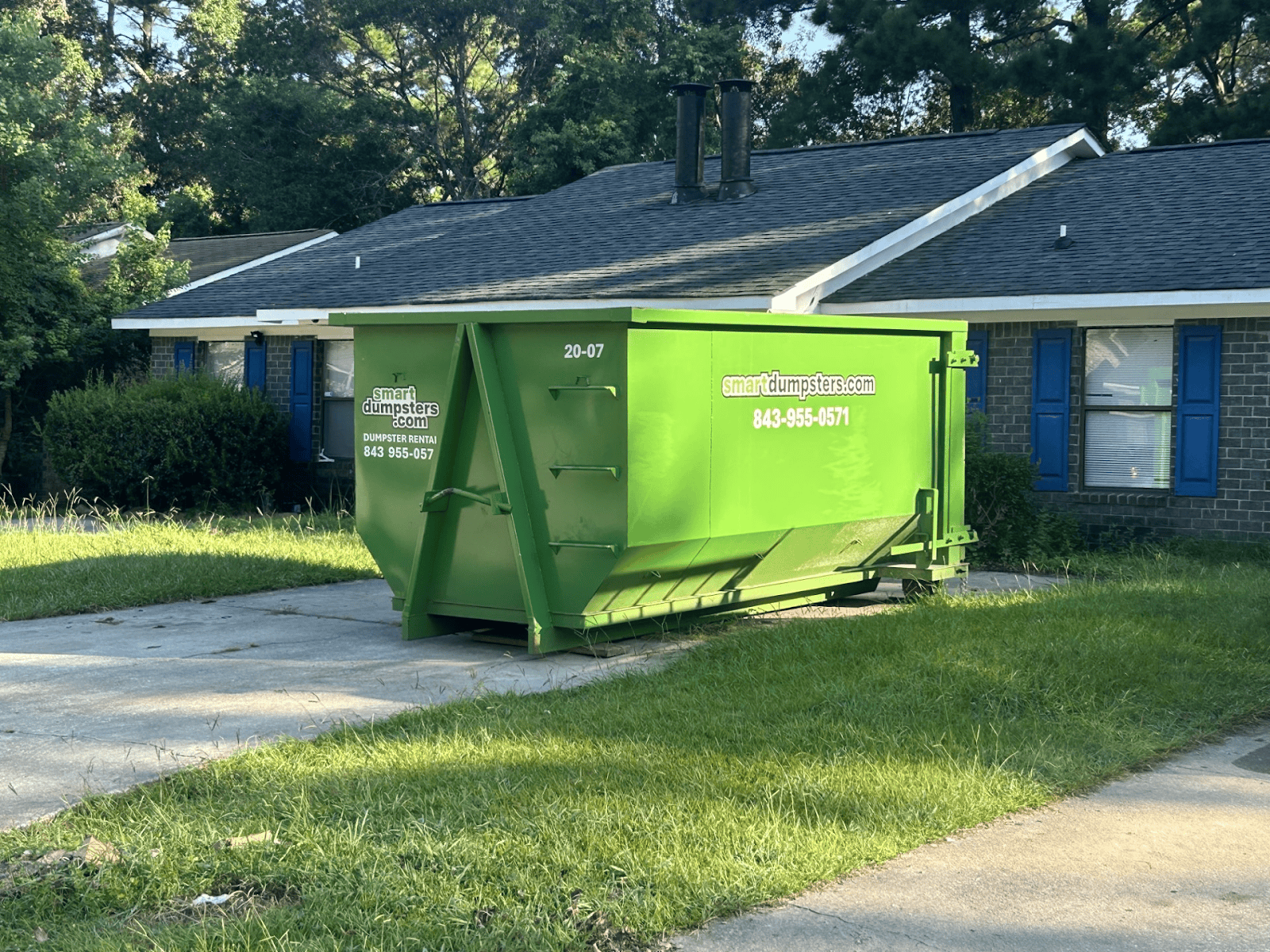
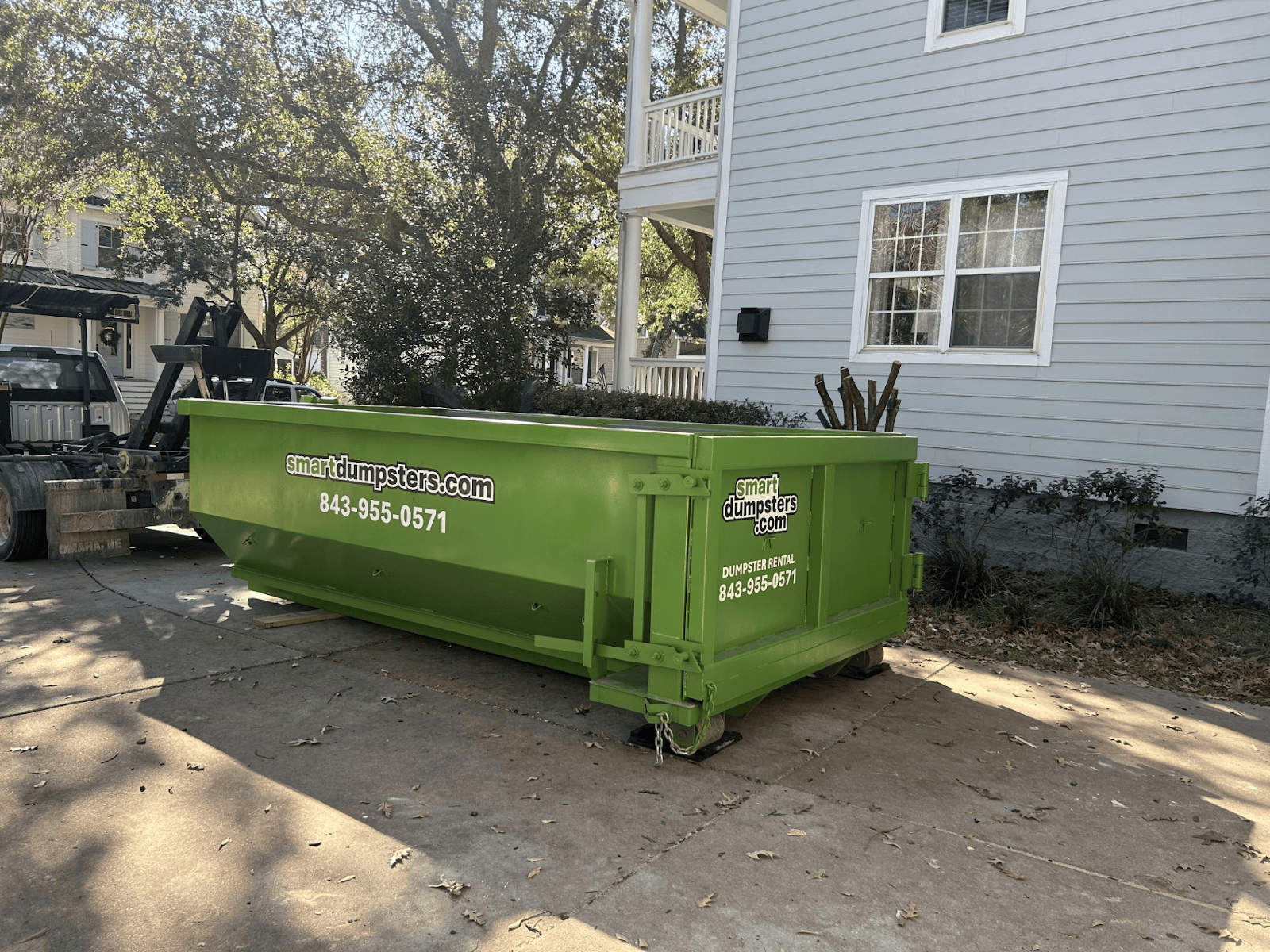
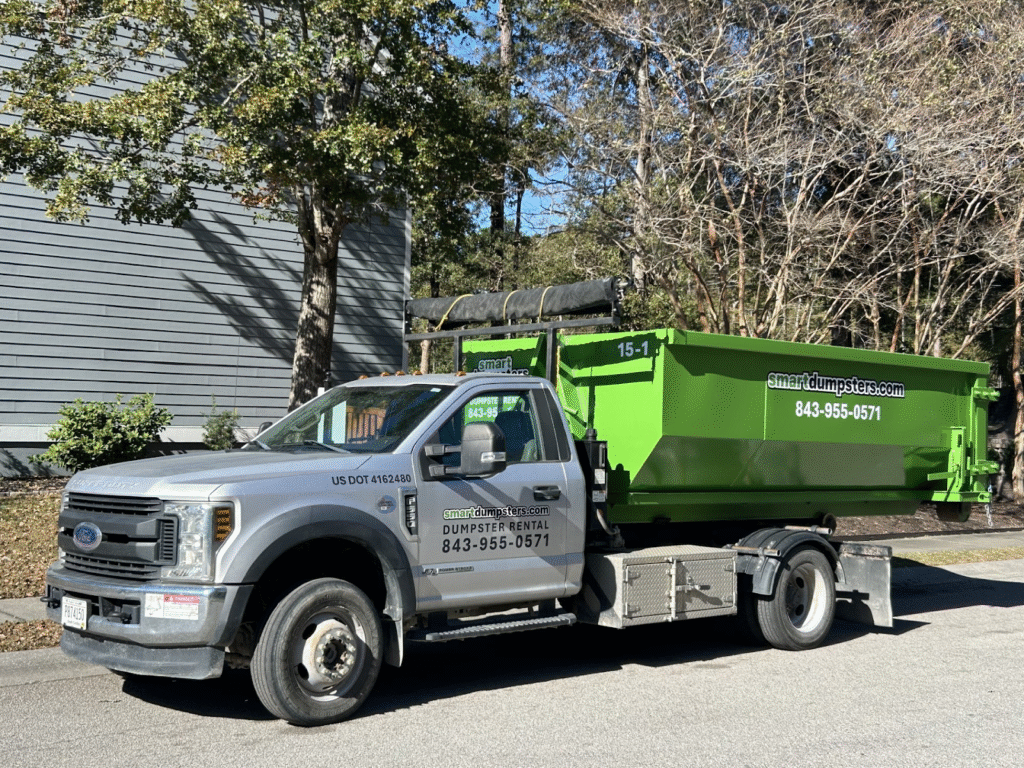
Roll-off dumpsters handle temporary projects or higher-volume commercial work. Construction sites, major cleanouts, renovations, and demolition projects use 10-yard to 40-yard roll-off containers delivered to the site, filled over days or weeks, then hauled away when full or when the project ends. The flexibility makes roll-offs ideal for contractors, property managers handling turnovers, and businesses undergoing expansion or remodeling.
What Garbage Disposal Service Includes for Businesses
The scope of garbage disposal service varies significantly depending on who you’re working with and what’s actually written in your contract.
Most commercial waste contracts include the container itself, scheduled pickups, transportation to the disposal facility, and the actual dumping fees at the landfill or transfer station. What gets tricky is everything else—delivery charges, fuel surcharges, environmental fees, overage penalties, contamination fees, and early termination costs.
National companies often list a base rate that looks competitive, then add fees that only show up on your first invoice. You might see charges for distance traveled, even if you’re five miles from their depot. Environmental fees that aren’t tied to any actual environmental program. Fuel surcharges that don’t fluctuate with actual fuel costs. Administrative fees for processing your account.
We operate differently with flat-rate pricing where delivery, pickup, rental period, disposal fees, and a set weight limit are bundled into one number. The only variables are industry-standard extras like additional days beyond your rental period or weight overages beyond the included tonnage. Those costs are disclosed upfront, not discovered later.
The difference isn’t just philosophical. A business paying $300 per month for commercial garbage pickup might actually be paying $385 once all the add-ons hit. That gap adds up fast across multiple locations or over a year-long contract. When you’re evaluating commercial waste proposals, the question isn’t just “what’s the monthly rate?”—it’s “what does that rate actually include, and what am I going to pay in total?”
Service frequency is another area where contracts get murky. Some companies lock you into a minimum number of pickups per week regardless of whether you need them. If your waste volume drops seasonally or a tenant moves out, you’re still paying for service you’re not using. Flexible providers let you adjust frequency without penalties, which matters when your business needs change.
Container size and placement also fall under “service scope.” National companies often deliver whatever size fits their route efficiency, not necessarily what fits your space or volume. If you’re stuck with an 8-yard dumpster in a parking lot designed for a 4-yard, that’s a problem. Local operators tend to have more flexibility to right-size equipment and place it where it actually works for your property layout.
Green Waste Disposal and Recycling Requirements
Green waste disposal has become a compliance issue, not just an environmental preference, especially for commercial properties in South Carolina.
Green waste includes landscaping debris, yard trimmings, tree branches, leaves, grass clippings, and other organic materials from property maintenance. For businesses with significant outdoor areas—apartment complexes, office parks, retail centers, hotels—this waste stream can be substantial. Many municipalities now prohibit mixing green waste with regular trash, and some require separate collection and processing.
Charleston County, SC businesses need to understand what’s actually prohibited from regular waste containers. Construction debris, concrete, dirt, sand, plaster, carpet, and renovation materials can’t go in standard commercial dumpsters. Green waste often falls into the same category depending on volume and type. Violating these restrictions can result in contamination fees, rejected pickups, or fines from local waste authorities.
The challenge is that not all waste management companies handle green waste the same way. National providers might offer green waste collection as an add-on service with separate containers and separate pricing. Some don’t offer it at all in certain markets, leaving you to find a second vendor just for landscaping debris. That creates coordination headaches, dual billing, and the risk of service gaps when one provider doesn’t show up.
Local waste companies operating in the Charleston area typically have direct relationships with regional composting facilities, mulching operations, and green waste processors. That means we can often integrate green waste into your service plan without requiring completely separate logistics. Instead of managing two vendors, two schedules, and two invoices, you’re working with one provider who understands local disposal options and regulatory requirements.
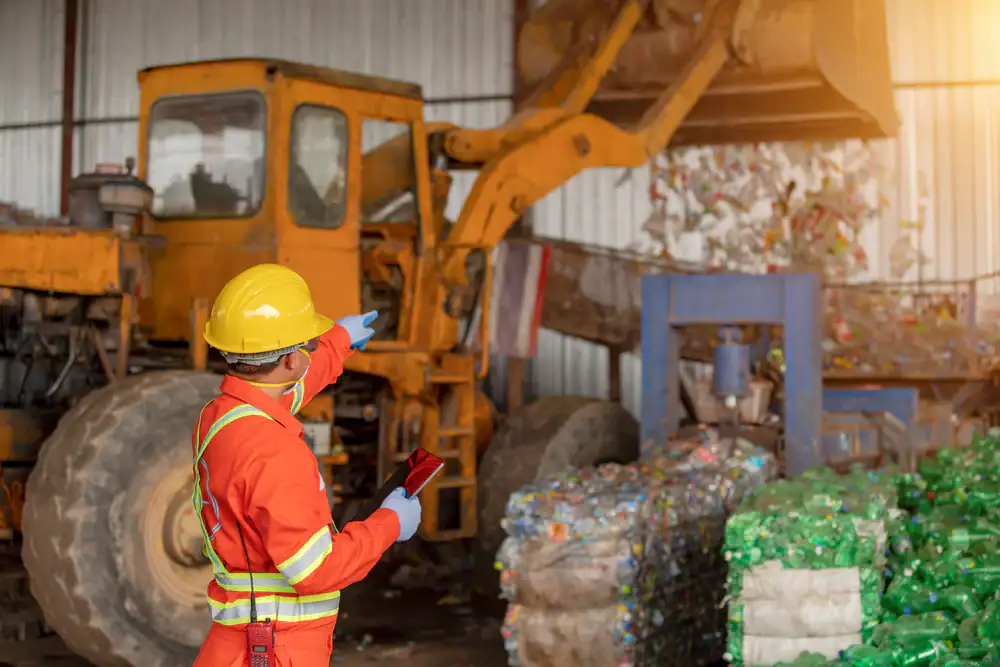
Recycling follows a similar pattern. Commercial recycling isn’t optional in many jurisdictions—it’s mandated. Businesses generating certain volumes of cardboard, paper, plastic, or metal must provide recycling containers and divert those materials from landfills. National companies offer recycling programs, but implementation often feels like an upsell rather than a core service. You might get standardized containers, generic signage, and minimal support for employee training or contamination issues.
Smaller providers tend to approach recycling more collaboratively because our reputation depends on solving problems, not just checking boxes. If your recycling containers keep getting contaminated with trash, we’re more likely to work with you on placement, signage, and education rather than just slapping contamination fees on your invoice. That difference matters when you’re trying to meet sustainability goals or comply with local ordinances without creating operational chaos.
Local vs National Commercial Waste Disposal Companies
The structural differences between local and national waste companies shape everything from pricing to problem resolution.
National companies operate at scale. They manage thousands of accounts across multiple states, use centralized dispatch systems, and optimize routes for efficiency across entire regions. That scale creates cost advantages in fuel, equipment, and landfill contracts. But it also creates distance between you and the people making decisions about your service.
Local companies operate in a specific geographic area—often a single county or metro region. We know the streets, the disposal facilities, the local regulations, and the seasonal patterns of waste generation in our market. Our customer base is smaller, which means each account matters more to our bottom line and reputation. For a restaurant in Mount Pleasant or a construction company in North Charleston, that local knowledge translates to better service.
Response Time and Service Flexibility Differences
When you call for service, who answers and what they can actually do varies dramatically between local and national providers.
National waste companies route calls through centralized customer service centers. The person answering your call might be managing accounts in six different states and has never been to Charleston. They’re reading from scripts, following protocols, and entering tickets into a system that dispatches to regional managers who then coordinate with local drivers. That chain works fine for routine scheduled service, but it breaks down fast when you need something outside the standard playbook.
If you need a dumpster delivered today because a contractor just showed up early, or you need an emergency pickup because a tenant left a massive pile of debris, the national provider’s answer is usually “we’ll put in a request and someone will contact you within 24-48 hours.” That delay might be acceptable for planned service changes, but it’s a problem when you’re losing money every hour a project sits idle or when code enforcement is threatening fines for waste piling up.
We give you direct access to the owner or a small team that actually makes dispatch decisions. When you call, you’re talking to someone who knows your account, knows the equipment available, and can make real-time decisions about whether same-day or next-day service is possible. That doesn’t mean we can always accommodate every request immediately, but the decision-making process takes minutes instead of days.
Service flexibility extends beyond emergency requests. What happens when your business needs change? Maybe you’re expanding and need a larger container. Maybe you’re downsizing and want to reduce pickup frequency. Maybe you’re adding a second location and want consolidated billing. National companies handle these changes through formal contract modification processes that can take weeks and often trigger fees or require you to wait until your contract renewal period.
We handle adjustments more fluidly because we’re not bound by corporate protocols designed to manage thousands of accounts uniformly. If you need to upsize from a 4-yard to a 6-yard container, we can often swap it out on the next service day without paperwork, penalties, or waiting periods. That agility matters when you’re trying to run a business that doesn’t operate on a waste company’s contract timeline.
The same flexibility applies to scheduling. National companies optimize routes for efficiency, which means your pickup day and time are determined by what works for their system, not what works for your operation. If you need pickups after hours to avoid disrupting customer access, or if you need weekend service for a retail location that generates most waste on Saturdays, you’re often out of luck or paying premium rates.
We have more latitude to accommodate non-standard schedules because we’re building routes around a smaller, more concentrated service area. We can often work with your operational needs instead of forcing you to adapt to a predetermined schedule. That difference is especially important for restaurants that need evening pickups, medical offices that generate waste during weekend hours, or construction sites that operate outside typical business days.
Pricing Transparency and Hidden Fee Structures
The way waste companies structure pricing reveals a lot about how they operate and what you’ll actually pay over time.
National waste companies have faced significant criticism for billing practices that maximize revenue through fees that aren’t always clear upfront. Industry analysts have documented patterns of ever-increasing prices, overcharges, and hidden fees that appear on invoices months into a contract. The base rate you agreed to might be legitimate, but the total cost creeps up through fuel surcharges, environmental fees, regulatory compliance charges, administrative fees, and various other line items that weren’t prominently disclosed during the sales process.
These fees aren’t necessarily illegal or even unreasonable in isolation. Fuel costs do fluctuate. Environmental regulations do create compliance costs. The problem is transparency and predictability. When your waste bill increases 15-20% over a year without any change in service level or waste volume, that’s a budgeting problem. When you’re comparing proposals and one company quotes $350 per month while another quotes $425, but the first one ends up costing $480 after fees while the second stays at $425, the “cheaper” option wasn’t actually cheaper.
Contract terms compound the pricing opacity. Many national providers lock commercial accounts into multi-year agreements with automatic renewal clauses, early termination penalties, and price escalation formulas tied to indexes you don’t control. You might sign a three-year contract with a 3% annual increase, only to discover that “annual increase” is on top of fuel surcharges, regulatory fees, and other variable charges that also go up each year.
We operate on a simpler pricing model—a flat-rate structure where one price includes everything except clearly defined overages. Instead of a base rate plus eight different potential fees, you get a single number that covers delivery, service period, pickup, disposal, and a specified weight limit. The only additional costs are extras like keeping the container longer than agreed or exceeding the included tonnage, and those rates are disclosed upfront, not buried in fine print.
This pricing approach isn’t just customer-friendly—it’s also easier to budget and compare. When you’re evaluating three different waste proposals, you can actually compare apples to apples instead of trying to decode which fees are real, which are negotiable, and which will appear later. For businesses managing multiple properties or trying to forecast annual operating costs, that predictability has real value.
The difference also shows up in how price increases are handled. National companies often implement increases automatically based on contract terms, sometimes without advance notice beyond what’s legally required. We communicate price changes more directly because we’re working with a smaller customer base where relationships matter. You’re more likely to get a conversation explaining why costs are going up and what options you have, rather than just receiving a revised invoice.
Hidden fees aren’t the only pricing concern. Contamination fees have become a significant issue across the waste industry. If your dumpster contains prohibited materials—hazardous waste, electronics, liquids, or items that don’t belong in that waste stream—the waste company can charge contamination fees that range from $50 to several hundred dollars per incident. National companies often apply these fees aggressively and automatically, sometimes without clear communication about what was wrong or how to prevent it in the future.
We still charge contamination fees when necessary—we’re absorbing real costs when loads get rejected at disposal facilities—but we’re more likely to work with you on education and prevention rather than just treating it as a revenue opportunity. That might mean providing better signage, training your staff on what’s acceptable, or helping you set up separate streams for problem materials. The goal is compliance, not penalty income.
Choosing the Right Commercial Waste Disposal Partner
The decision between local and national commercial waste disposal comes down to what you value most and how you want problems handled.
National companies offer scale, established infrastructure, and the ability to serve multiple locations if you’re operating across different markets. Local companies offer flexibility, direct communication, and operational knowledge specific to Charleston County, SC’s requirements and geography.
Neither option is inherently wrong, but the choice has real consequences for your costs, service reliability, and ability to adapt when business needs change. If you’re looking for a commercial waste disposal partner in Charleston, Berkeley, or Dorchester County who prioritizes transparent pricing, same-day service when you need it, and direct access to people who make decisions, we operate exactly that way—locally owned, fully licensed, and built around making waste management one less thing you have to worry about.
Keep reading
Five guides that cover what people actually ask us before they book: what fits, what it weighs, what it costs, and what we can and cannot take.
The guides
Book a container
Serving Charleston, North Charleston, Mount Pleasant, Summerville, Goose Creek and 40+ more Lowcountry towns. Get a same-day quote.