Summary:
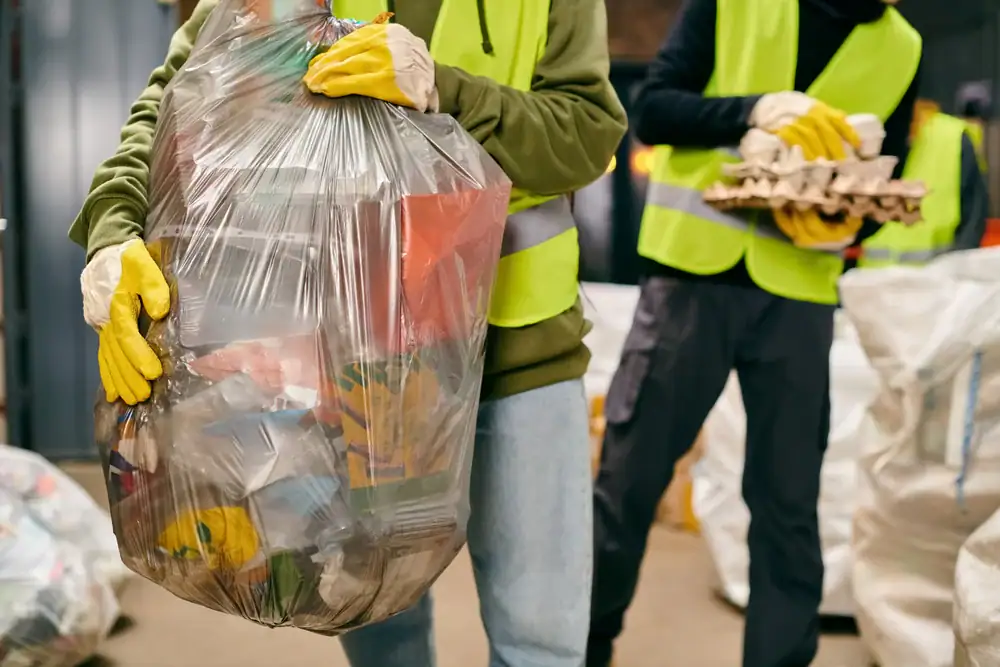
Your home generates waste every day. Kitchen scraps, packaging, old furniture, renovation debris—it all has to go somewhere. Where it goes matters. Poor waste management clutters your property, fills landfills, increases emissions, and wastes resources that could be recycled or reused. The good news? Managing waste responsibly doesn’t require a lifestyle overhaul. Small, practical changes in how you handle household waste reduce your environmental impact, save money, and simplify your routine. This guide walks you through eco-friendly waste management essentials, from daily habits to handling larger projects that need a construction dumpster rental in Charleston County, Berkeley County, or Dorchester County, SC.
Understanding Household Waste Management Basics
Before you can manage waste effectively, you need to understand what you’re dealing with. Most households generate several types of waste: general trash, recyclables, organic waste, and occasionally hazardous materials. Each requires different handling.
General trash includes non-recyclable items—broken toys, worn-out shoes, certain packaging. Recyclables cover paper, cardboard, glass, aluminum, and specific plastics. Organic waste includes food scraps, yard trimmings, and compostable materials. Hazardous waste encompasses batteries, paint, chemicals, and electronics that need special disposal.
Smarter waste management starts with proper separation. Mix everything together, and you’re sending recyclable materials to the landfill. Set up separate bins for trash, recycling, and compost, and disposal becomes automatic for everyone in your household.
How to Set Up an Effective Waste Sorting System at Home
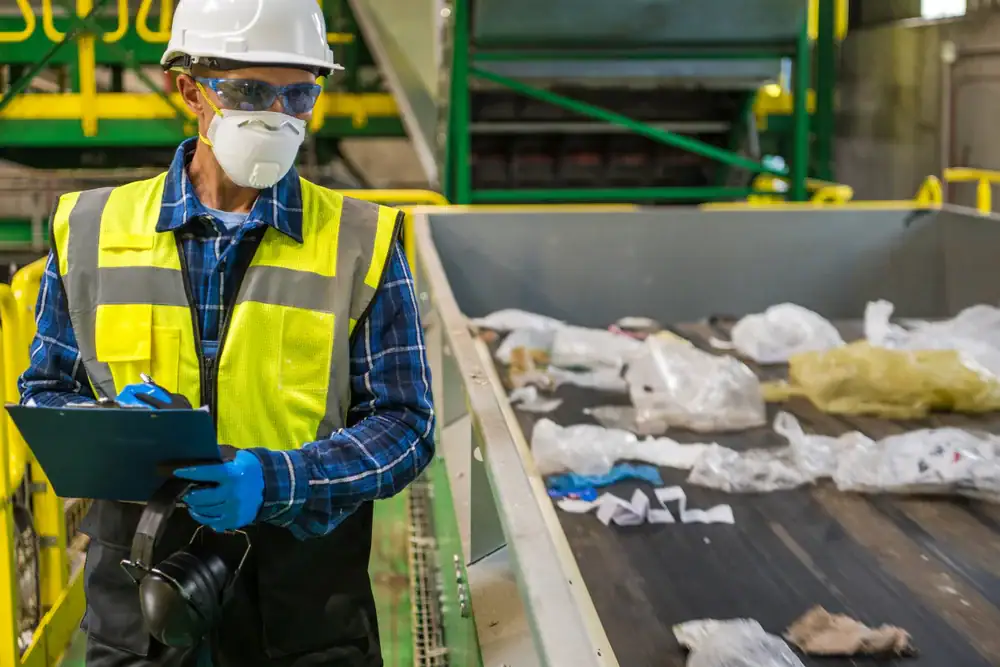
Creating a waste sorting system that actually works comes down to convenience and clarity. If your recycling bin hides in the garage while your trash can sits next to the sink, guess which one gets used more?
Location matters. Place clearly labeled bins in high-traffic areas where waste is generated. Your kitchen needs at least three containers: general trash, recyclables, and compost. Make them roughly the same size and equally accessible. Recycling shouldn’t feel like extra work.
Labels eliminate confusion, especially for kids or guests unfamiliar with your system. Simple signs showing what goes in each bin make proper disposal effortless. You’d be surprised how many people want to recycle correctly but genuinely don’t know if that plastic container is recyclable or if it needs rinsing first.
Establish a routine for emptying bins. Recycling and trash go out on designated days. Compost needs regular attention to avoid odors. Consistency turns waste sorting from conscious effort into automatic habit.
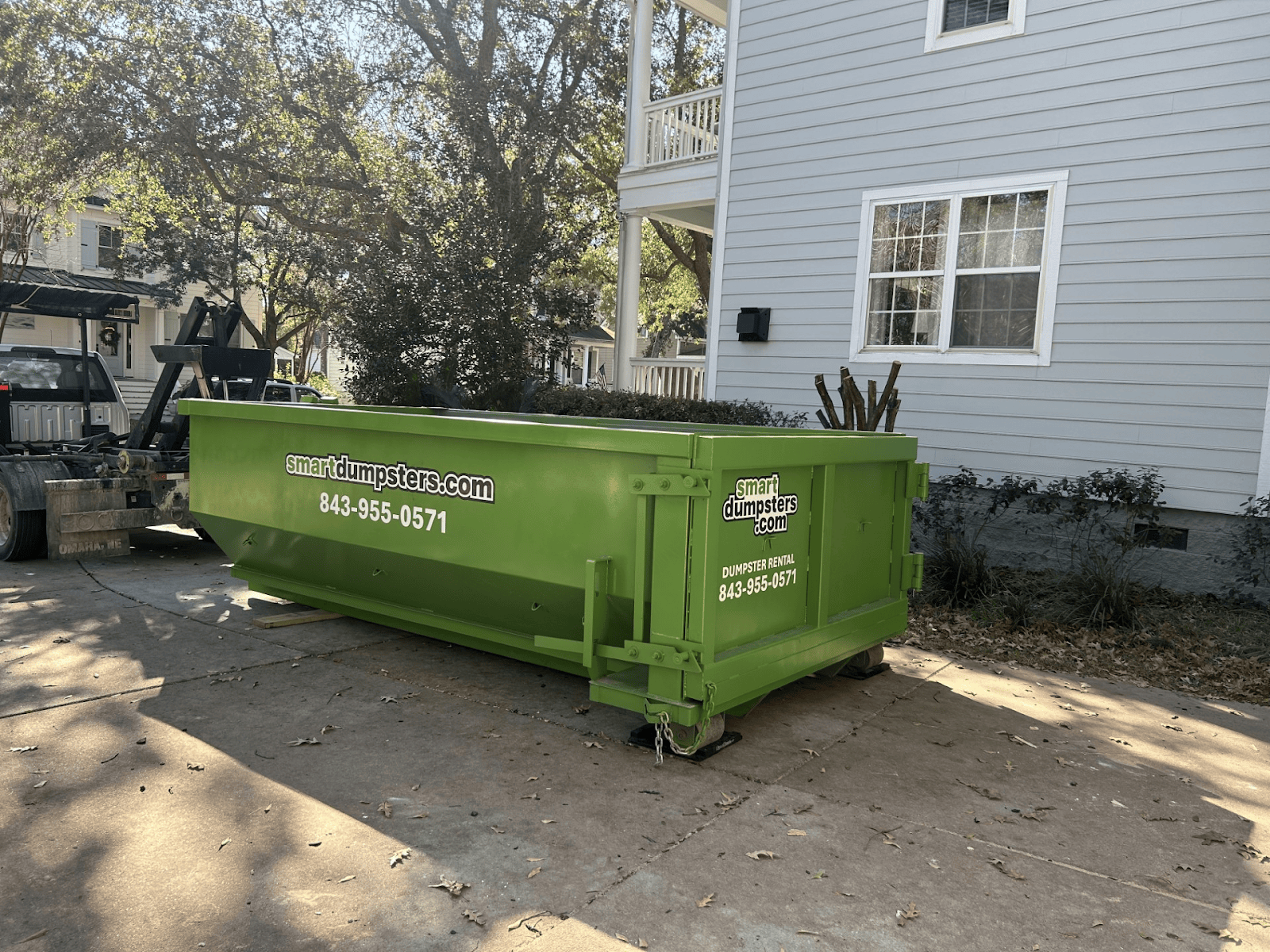
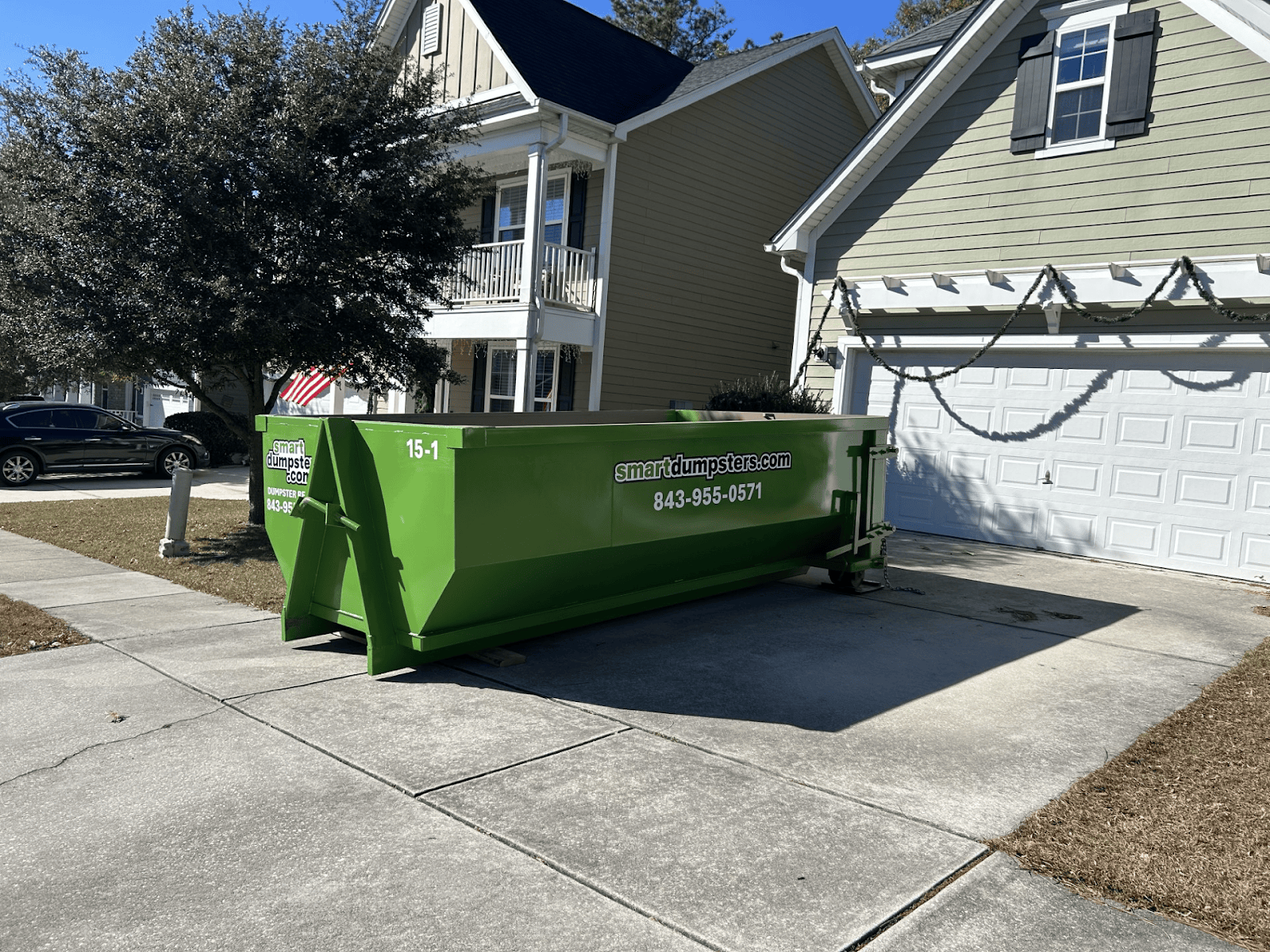
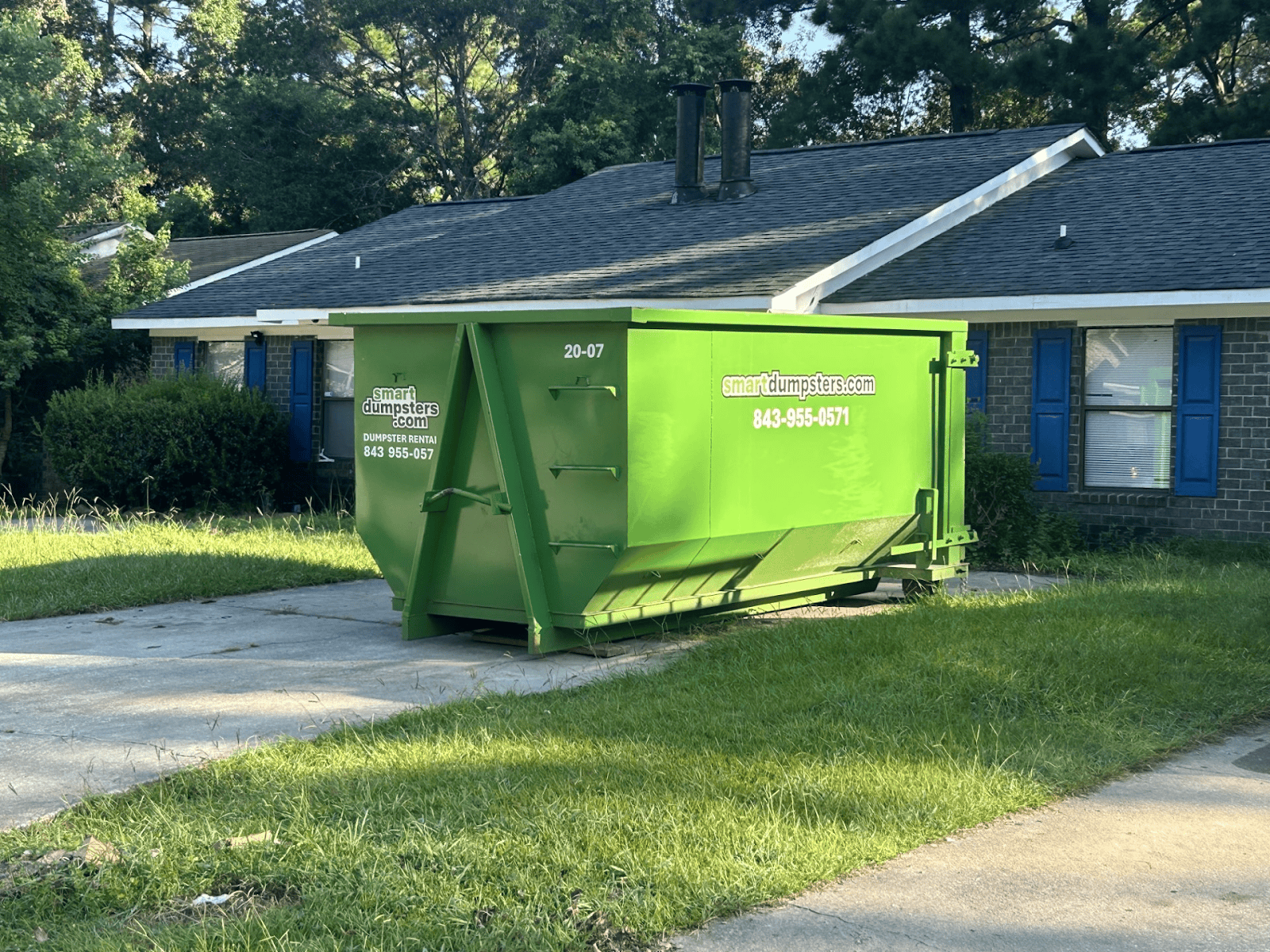
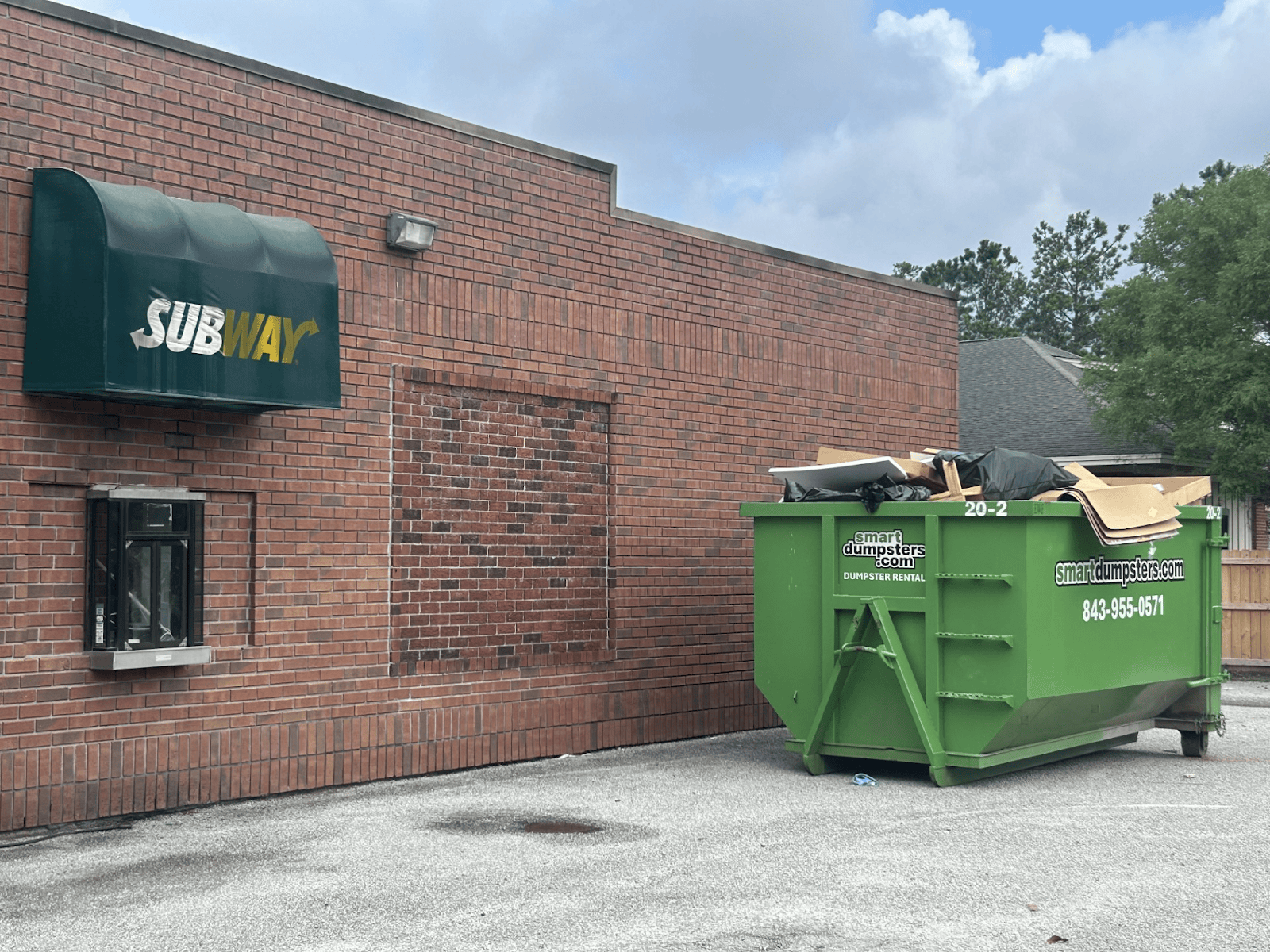
For items that don’t fit your daily system—old furniture, construction debris from a bathroom remodel, a garage full of accumulated junk—you need a different approach. A dumpster rental handles larger volumes efficiently, especially for projects generating more waste than your regular trash service can accommodate. The key is planning ahead so you’re not scrambling mid-project.
When you’re renovating in Charleston, Berkeley, or Dorchester County, having a construction dumpster on-site keeps your work area clean and your project moving forward. You load debris as you work instead of letting it pile up or making multiple trips to the dump.
What Can and Cannot Go in Your Regular Household Trash
Not everything belongs in your household trash bin. Knowing the difference saves you from fines, environmental damage, and missed pickups.
Your regular trash service typically accepts non-recyclable household items: food wrappers, broken dishes, worn clothing that can’t be donated, general household debris. These items can safely go to the landfill without causing environmental harm.
What doesn’t belong? Hazardous materials top the list. Batteries contain toxic metals that leach into soil and groundwater. Paint, motor oil, pesticides, and household chemicals require special disposal at designated collection sites. Electronics contain valuable materials that should be recycled, plus harmful components that don’t belong in landfills.
Tires, propane tanks, and large appliances with refrigerants also can’t go in regular trash. Charleston County, Berkeley County, and Dorchester County all offer periodic hazardous waste collection events for residents. Check with your local waste management authority for schedules.
For construction and demolition debris, your options depend on volume. Small amounts might fit in regular trash over several weeks. Any significant renovation generates too much for curbside pickup. That’s when a construction dumpster rental becomes the practical choice.
You can load drywall, flooring, old cabinets, and renovation waste as you work, keeping your project site clean and safe. Dumpster rentals handle everything from minor bathroom updates to major whole-house renovations, giving you a designated place for debris without cluttering your driveway or yard.
Here’s what matters: when you’re unsure about an item, don’t guess. Look it up or ask. Putting wrong items in trash or recycling contaminates entire loads and creates more problems. Most waste management companies provide clear guidelines, and we can answer questions about what’s acceptable for your specific project.
Reducing Waste Before It Starts
The most effective waste management strategy is creating less waste in the first place. Most households generate far more trash than necessary simply because we’re not paying attention to what we’re bringing home and throwing away.
Start by examining your purchasing habits. Products with excessive packaging, single-use items, and disposable conveniences all contribute to your waste stream. Switching to reusable alternatives—shopping bags, water bottles, food containers—eliminates waste before it starts. Buy in bulk when it makes sense. Larger quantities mean less packaging per unit, and you’ll save money.
Food waste deserves special attention. Americans waste roughly 38% of all food, and much of that comes from homes. Plan your meals, shop with a list, and get creative with leftovers. That alone can cut your trash output significantly while saving money on groceries.
Composting Basics Every Homeowner Should Know
Composting turns organic waste into nutrient-rich soil instead of sending it to the landfill. It’s easier than you think, and you don’t need a huge backyard or special equipment to start.
What can you compost? Fruit and vegetable scraps, coffee grounds, tea bags, eggshells, yard trimmings, leaves, and small branches all break down naturally. You can also compost paper products like newspaper, cardboard, and paper towels—as long as they’re not coated or contaminated with chemicals.
What shouldn’t go in compost? Meat, dairy, oils, and pet waste attract pests and create odor problems. Diseased plants can spread issues to your garden. Anything synthetic—plastics, metals, treated wood—won’t break down.
Setting up a compost system can be as simple as a designated pile in your yard or as sophisticated as a tumbling composter that speeds up the process. If you don’t have outdoor space, countertop composting systems and community composting programs offer alternatives. Some areas in Charleston County even provide compost collection services similar to recycling pickup.
The environmental impact is significant. Organic waste in landfills produces methane, a greenhouse gas far more potent than carbon dioxide. When you compost instead, you’re not only reducing landfill waste—you’re actively cutting greenhouse gas emissions. Plus, you get free fertilizer for your garden or landscaping.
Composting doesn’t have to be perfect to be effective. Even if you only compost kitchen scraps and skip yard waste, you’re still diverting substantial material from trash. Start small, see what works for your household, and adjust as you go.
For major yard cleanups or landscaping projects that generate more organic waste than your compost system can handle, a dumpster rental designed for yard waste makes disposal easy. You can load branches, shrubs, grass clippings, and other yard debris all at once instead of bagging everything for weekly trash pickup.
Recycling Correctly: Mistakes That Send Recyclables to Landfills
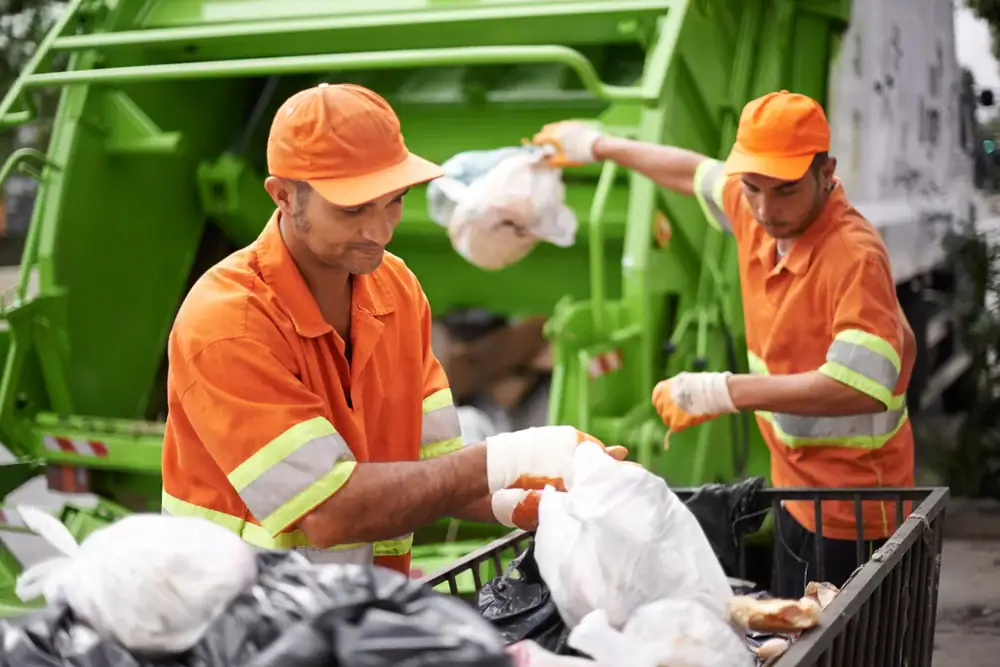
Recycling seems straightforward until you start paying attention to what actually happens to your recyclables. Many well-intentioned people practice “wish-cycling”—tossing items into the recycling bin and hoping they’re recyclable. This contaminates entire batches and can send them to the landfill instead.
First, know your local guidelines. Recycling rules vary by location. What’s accepted in Charleston County might differ from Berkeley County or Dorchester County. Check your local waste management department for specific guidelines.
Common recycling mistakes include leaving food residue on containers, mixing non-recyclable items with recyclables, and bagging recyclables in plastic bags. Rinse out food containers before recycling. A quick rinse is enough. Remove lids from bottles and jars. Flatten cardboard boxes to save space.
Plastic bags are a major contamination issue. They tangle in sorting machinery at recycling facilities, causing shutdowns and damage. Don’t bag your recyclables, and don’t put plastic shopping bags in your recycling bin. Many grocery stores have collection bins specifically for plastic bag recycling—use those instead.
Not all plastics are recyclable. Check the number inside the recycling symbol. Generally, plastics numbered 1 and 2 are widely accepted. Numbers 3-7 vary by location. When in doubt, check with your local recycling program or throw it in trash rather than contaminating recyclables.
Paper products are usually recyclable, but there are exceptions. Shiny wrapping paper, paper contaminated with food or grease (like pizza boxes), and paper mixed with other materials (like juice boxes) often can’t be recycled. Regular cardboard, newspaper, office paper, and clean paperboard are all good candidates.
Glass and aluminum are infinitely recyclable and should always go in your recycling bin. These materials retain their quality through multiple recycling cycles, making them some of the most valuable recyclables. Rinse them out, and you’re set.
For larger recycling needs—clearing out years of accumulated paper, cardboard from a big purchase, or materials from a home renovation—a dumpster rental can accommodate recyclable materials separately from general waste. We work with recycling facilities to divert as much material as possible from landfills, but you need to communicate what you’re disposing of so we can handle it appropriately.
Making Waste Management Work for Your Home and Projects
Eco-friendly waste management doesn’t require perfection. It requires consistency and willingness to make small changes that add up over time. Start with one area—maybe it’s setting up a better recycling system in your kitchen or finally starting that compost pile. Once that becomes routine, add another improvement.
For bigger projects like home renovations, major cleanouts, or construction work, don’t let waste disposal become an afterthought. Plan ahead, understand what you’re dealing with, and choose the right disposal method for the job. Sometimes that means a dumpster rental that keeps your project site clean and handles large volumes of debris efficiently.
The key is finding solutions that work with your life, not against it. Waste management should be simple enough that everyone in your household can participate without constant reminders or complicated rules. When it’s easy, it becomes automatic. When it’s automatic, you’re making a real difference without adding stress to your day. If you’re in Charleston County, Berkeley County, or Dorchester County, SC and need help with a larger waste management project, we offer transparent pricing, fast service, and straightforward communication that makes the entire process easier.